Word Explanation
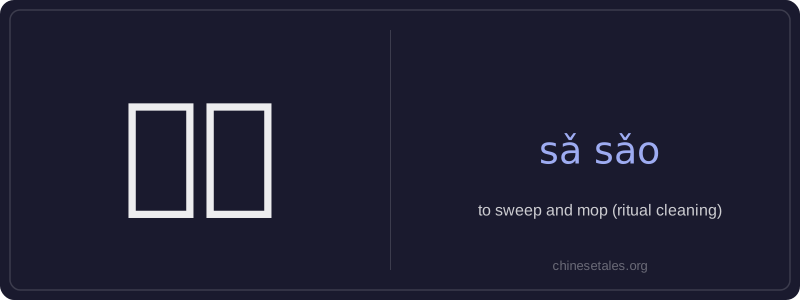
‘Sǎ sǎo’ literally combines ‘sǎ’ (to sprinkle, scatter — often water) and ‘sǎo’ (to sweep), referring to the complete ritual or thorough cleaning of a space — typically involving sprinkling water to suppress dust before sweeping, and sometimes mopping afterward. Though it can describe practical household cleaning, it carries a traditional, formal, or ceremonial connotation, especially in contexts like temple upkeep, ancestral hall preparation, or seasonal spring cleaning before festivals.
The term evokes diligence, respect, and order — historically tied to Confucian ideals of maintaining harmony through proper care of shared or sacred spaces. It’s more elevated than casual terms like 扫地 (sǎo dì, 'to sweep the floor') and implies intentionality and completeness, not just surface tidying. You’ll encounter it in classical texts, Buddhist monastic instructions, and modern descriptions of cultural preservation efforts.
Example Sentences
Related Words
国语
‘Guó yǔ’ literally means 'national language'—
无论谁
‘无论谁’ (wú lùn shéi) is a pronoun meaning
外语
‘外语’ literally means ‘outside language’ —
面条
‘面条’ (miàn tiáo) literally means ‘flour str
认同
‘认同’ (tóng rèn) is a verb meaning ‘to ident
不对
不对 (bù duì) literally combines 不 (bù), meani
认为
‘认为’ (rèn wéi) is a transitive verb meaning
违规
违规 (wéi guī) literally means 'to violate rules