Word Explanation
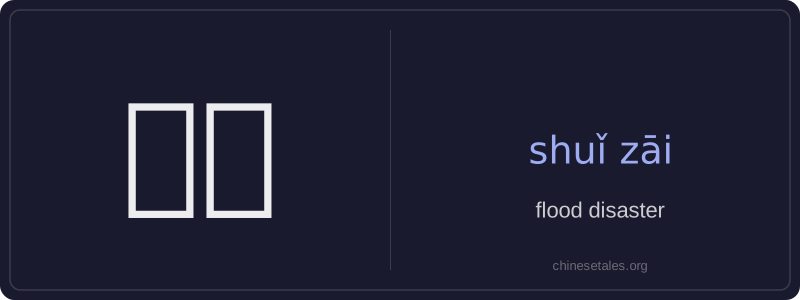
‘水灾’ (shuǐ zāi) literally combines ‘水’ (shuǐ), meaning ‘water’, and ‘灾’ (zāi), meaning ‘disaster’ or ‘calamity’. Together, it refers specifically to a flood disaster — an abnormal overflow of water that causes widespread damage to land, property, infrastructure, and sometimes loss of life. Unlike general terms for rain or flooding, 水灾 emphasizes the destructive, large-scale, and often sudden nature of the event, typically resulting from heavy rainfall, typhoon-induced downpours, river overflows, or dam failures.
This term is commonly used in formal contexts such as news reports, government announcements, emergency response planning, and academic discussions about natural hazards. It carries a serious, official tone and is rarely used casually. While ‘洪水’ (hóngshuǐ) simply means ‘flood’ (a physical phenomenon), ‘水灾’ highlights the human and societal impact — the disaster aspect. It’s frequently paired with words like ‘发生’ (to occur), ‘造成’ (to cause), ‘防范’ (to prevent), or ‘救援’ (rescue).
Example Sentences
Related Words
国语
‘Guó yǔ’ literally means 'national language'—
无论谁
‘无论谁’ (wú lùn shéi) is a pronoun meaning
外语
‘外语’ literally means ‘outside language’ —
面条
‘面条’ (miàn tiáo) literally means ‘flour str
认同
‘认同’ (tóng rèn) is a verb meaning ‘to ident
不对
不对 (bù duì) literally combines 不 (bù), meani
认为
‘认为’ (rèn wéi) is a transitive verb meaning
违规
违规 (wéi guī) literally means 'to violate rules