Word Explanation
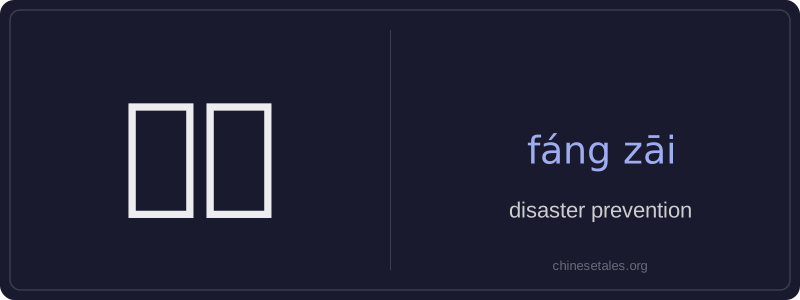
防灾 (fáng zāi) literally combines 防 (fáng), meaning 'to prevent' or 'to guard against', and 灾 (zāi), meaning 'disaster' or 'calamity'. Together, they form a compound noun meaning 'disaster prevention' — the systematic efforts to reduce risks and mitigate harm from natural or human-caused disasters such as earthquakes, floods, fires, or pandemics. It emphasizes proactive measures rather than emergency response.
This term is widely used in public policy, urban planning, education, and community safety initiatives. You’ll see it in official slogans, government reports, school drills, and public service announcements. While it can refer broadly to any hazard mitigation, it most commonly appears in contexts involving infrastructure resilience, early-warning systems, evacuation planning, and public awareness campaigns. It’s a formal, neutral-term noun — neither technical jargon nor colloquial slang — and functions as the subject or object in sentences (e.g., '加强防灾能力' — 'strengthen disaster prevention capacity').
Example Sentences
Related Words
国语
‘Guó yǔ’ literally means 'national language'—
无论谁
‘无论谁’ (wú lùn shéi) is a pronoun meaning
外语
‘外语’ literally means ‘outside language’ —
面条
‘面条’ (miàn tiáo) literally means ‘flour str
认同
‘认同’ (tóng rèn) is a verb meaning ‘to ident
不对
不对 (bù duì) literally combines 不 (bù), meani
认为
‘认为’ (rèn wéi) is a transitive verb meaning
违规
违规 (wéi guī) literally means 'to violate rules