Word Explanation
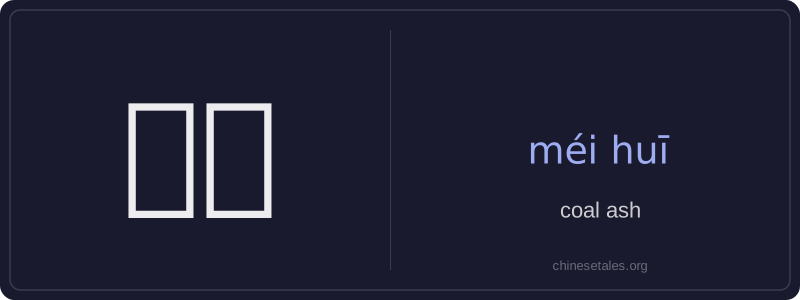
煤灰 (méi huī) literally combines 煤 (coal) and 灰 (ash), meaning the fine gray or black powdery residue left after coal is burned. It is a byproduct of coal combustion in power plants, industrial furnaces, or household stoves. Unlike wood ash, coal ash contains trace heavy metals and minerals, making it chemically distinct and often subject to environmental regulation.
In everyday usage, 煤灰 appears in contexts related to energy production, pollution control, construction (where it’s sometimes used as a supplementary cementitious material), and environmental science. Though visually similar to other ashes, it carries specific technical and ecological connotations — for instance, fly ash and bottom ash are two common subtypes classified by how they’re collected during burning. The term is neutral in register but leans formal or technical; it rarely appears in casual conversation unless discussing heating, waste, or local air quality.
Example Sentences
Related Words
国语
‘Guó yǔ’ literally means 'national language'—
无论谁
‘无论谁’ (wú lùn shéi) is a pronoun meaning
外语
‘外语’ literally means ‘outside language’ —
面条
‘面条’ (miàn tiáo) literally means ‘flour str
认同
‘认同’ (tóng rèn) is a verb meaning ‘to ident
不对
不对 (bù duì) literally combines 不 (bù), meani
认为
‘认为’ (rèn wéi) is a transitive verb meaning
违规
违规 (wéi guī) literally means 'to violate rules