Word Explanation
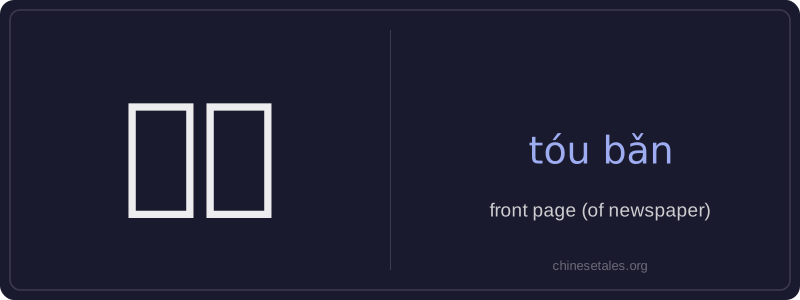
‘头版’ literally means ‘first page’ — ‘头’ (tóu) means ‘head’ or ‘top’, and ‘版’ (bǎn) means ‘page’ or ‘edition’, especially in publishing contexts. Together, they refer specifically to the front page of a newspaper, where the most important or attention-grabbing news stories appear. It is a fixed compound noun and does not change form for number or tense.
This term is used almost exclusively in media and journalism contexts — you’ll hear it in discussions about news coverage, editorial decisions, or public reaction to major events. While digital news platforms don’t have physical pages, ‘头版’ is still widely used metaphorically to describe top-priority headlines or featured content on websites and apps. It carries connotations of prominence, urgency, and significance — being ‘on the front page’ signals that a story matters to the public.
Example Sentences
Related Words
国语
‘Guó yǔ’ literally means 'national language'—
无论谁
‘无论谁’ (wú lùn shéi) is a pronoun meaning
外语
‘外语’ literally means ‘outside language’ —
面条
‘面条’ (miàn tiáo) literally means ‘flour str
认同
‘认同’ (tóng rèn) is a verb meaning ‘to ident
不对
不对 (bù duì) literally combines 不 (bù), meani
认为
‘认为’ (rèn wéi) is a transitive verb meaning
违规
违规 (wéi guī) literally means 'to violate rules