Word Explanation
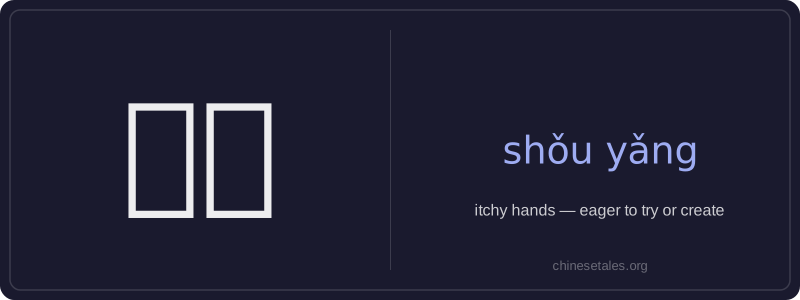
‘手痒’ (shǒu yǎng) literally means 'itchy hands', but it’s an idiomatic expression used to describe a strong, almost physical urge to do something—especially to create, play, or take action. The character 手 (shǒu) means 'hand', and 痒 (yǎng) means 'itchy' or 'tingling'; together, they evoke the sensation of restlessness in the hands that signals eagerness or impatience to engage. It’s commonly used when someone sees an opportunity to draw, write, cook, play music, or even compete—and feels compelled to jump in.
This phrase carries a light, colloquial, and often positive tone—it suggests enthusiasm and readiness rather than anxiety or compulsion. It’s frequently used in informal speech and writing, especially among peers or in creative contexts. While it can occasionally imply mild impulsiveness, it rarely has negative connotations unless context makes it clear (e.g., '手痒去赌' implies irresponsible behavior). Native speakers often use it playfully to admit they ‘couldn’t resist’ trying something new or joining an activity.
Example Sentences
Related Words
国语
‘Guó yǔ’ literally means 'national language'—
无论谁
‘无论谁’ (wú lùn shéi) is a pronoun meaning
外语
‘外语’ literally means ‘outside language’ —
面条
‘面条’ (miàn tiáo) literally means ‘flour str
认同
‘认同’ (tóng rèn) is a verb meaning ‘to ident
不对
不对 (bù duì) literally combines 不 (bù), meani
认为
‘认为’ (rèn wéi) is a transitive verb meaning
违规
违规 (wéi guī) literally means 'to violate rules