Word Explanation
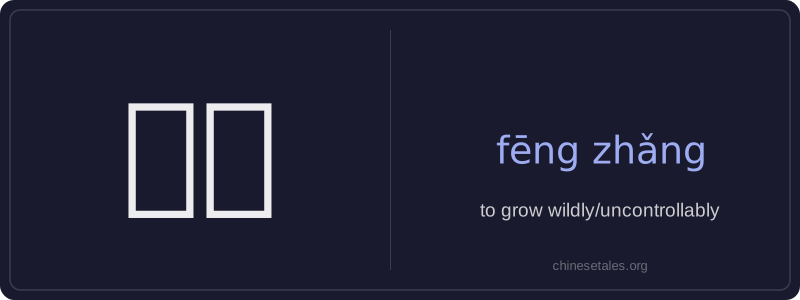
‘疯长’ literally combines ‘疯’ (fēng, meaning 'crazy' or 'wild') and ‘长’ (zhǎng, meaning 'to grow'). Together, it describes rapid, unchecked, often excessive growth — like weeds overtaking a garden or algae blooming in a pond. It carries a slightly negative or vividly emphatic connotation, suggesting growth that is hard to control, manage, or predict.
This term is most commonly used for plants, fungi, bacteria, or populations (e.g., insects or microbes), especially in ecological, agricultural, or everyday descriptive contexts. While occasionally applied metaphorically to abstract things like rumors or prices, its core usage centers on biological or physical expansion that feels overwhelming or unnatural in speed and scale. It’s informal but widely understood in both spoken and written Chinese.
Example Sentences
Related Words
国语
‘Guó yǔ’ literally means 'national language'—
无论谁
‘无论谁’ (wú lùn shéi) is a pronoun meaning
外语
‘外语’ literally means ‘outside language’ —
面条
‘面条’ (miàn tiáo) literally means ‘flour str
认同
‘认同’ (tóng rèn) is a verb meaning ‘to ident
不对
不对 (bù duì) literally combines 不 (bù), meani
认为
‘认为’ (rèn wéi) is a transitive verb meaning
违规
违规 (wéi guī) literally means 'to violate rules