Word Explanation
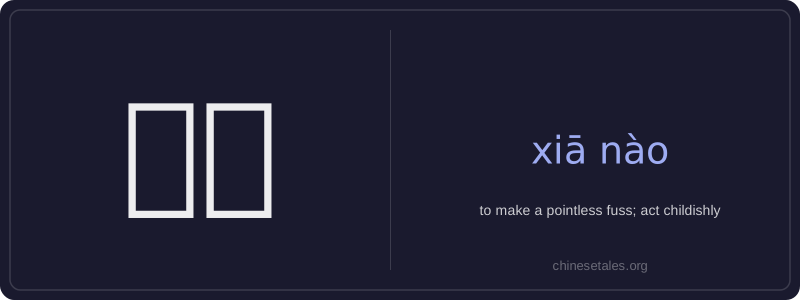
‘瞎闹’ literally combines ‘瞎’ (xiā, meaning ‘blind’ or ‘senseless’) and ‘闹’ (nào, meaning ‘to make a fuss’ or ‘to cause a commotion’). Together, it describes behavior that is pointless, irrational, or immature—like making a big deal out of nothing or acting impulsively without purpose. It often carries a tone of mild disapproval or gentle teasing, especially when describing someone’s childish or exaggerated reaction.
This expression is commonly used in informal spoken Chinese, especially by elders addressing younger people, or among friends joking about overreacting. While not harsh, it implies the action lacks seriousness, logic, or constructive intent. It’s rarely used for serious misconduct—more for harmless but silly antics, like throwing a tantrum over a minor inconvenience or organizing an overly dramatic protest about something trivial.
Example Sentences
Related Words
国语
‘Guó yǔ’ literally means 'national language'—
无论谁
‘无论谁’ (wú lùn shéi) is a pronoun meaning
外语
‘外语’ literally means ‘outside language’ —
面条
‘面条’ (miàn tiáo) literally means ‘flour str
认同
‘认同’ (tóng rèn) is a verb meaning ‘to ident
不对
不对 (bù duì) literally combines 不 (bù), meani
认为
‘认为’ (rèn wéi) is a transitive verb meaning
违规
违规 (wéi guī) literally means 'to violate rules