Word Explanation
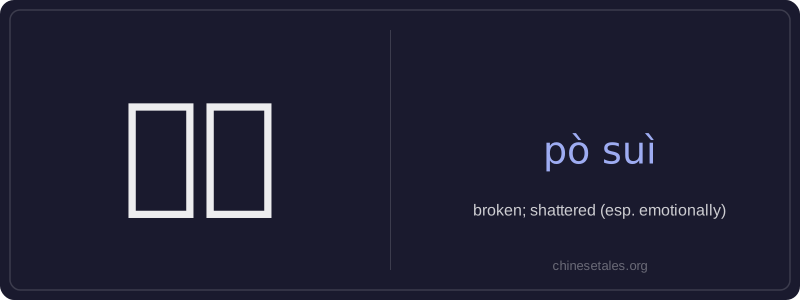
破碎 (pò suì) literally combines 破 (‘broken, torn’) and 碎 (‘shattered, fragmented’), intensifying the sense of total, irreversible damage. It describes something physically broken into many pieces—like glass or pottery—or, more commonly in modern usage, something emotionally devastated, such as a person’s confidence, relationship, or mental state. Unlike simpler terms like 坏 (huài, ‘broken’ in a general, repairable sense), 破碎 implies irreparable loss or deep psychological rupture.
The word carries strong emotional weight and is frequently used in literary, journalistic, or introspective contexts—not casual speech. It often appears with abstract nouns: 心 (xīn, ‘heart’), 梦想 (mèngxiǎng, ‘dream’), 信任 (xìnrèn, ‘trust’), or 希望 (xīwàng, ‘hope’). While it can describe physical objects (e.g., a shattered vase), its emotional connotation dominates contemporary usage, especially when paired with words related to inner experience.
Example Sentences
Related Words
国语
‘Guó yǔ’ literally means 'national language'—
无论谁
‘无论谁’ (wú lùn shéi) is a pronoun meaning
外语
‘外语’ literally means ‘outside language’ —
面条
‘面条’ (miàn tiáo) literally means ‘flour str
认同
‘认同’ (tóng rèn) is a verb meaning ‘to ident
不对
不对 (bù duì) literally combines 不 (bù), meani
认为
‘认为’ (rèn wéi) is a transitive verb meaning
违规
违规 (wéi guī) literally means 'to violate rules