Word Explanation
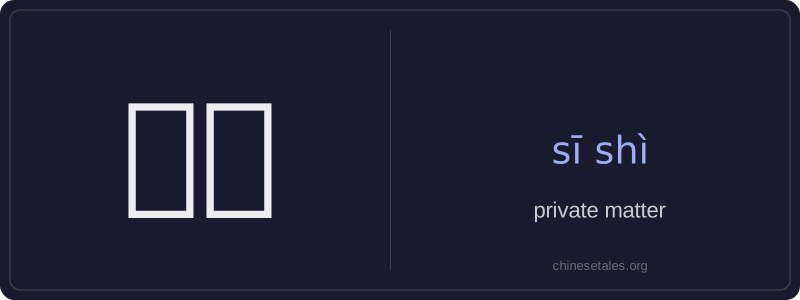
‘私事’ (sī shì) literally combines ‘私’ (sī), meaning ‘private’ or ‘personal’, and ‘事’ (shì), meaning ‘matter’ or ‘affair’. Together, it refers to matters that belong to an individual’s personal life—such as family issues, romantic relationships, financial decisions, or health concerns—and are not meant for public discussion or professional involvement. It emphasizes confidentiality, autonomy, and boundaries.
This noun is commonly used in formal and informal contexts when distinguishing personal concerns from work-related or public responsibilities. You’ll often hear it in phrases like ‘不干涉别人的私事’ (don’t interfere in others’ private matters) or ‘处理私事’ (handle personal business). While neutral in tone, using ‘私事’ can subtly signal respect for privacy—or, if misused, imply avoidance or secrecy, depending on context.
Example Sentences
Related Words
国语
‘Guó yǔ’ literally means 'national language'—
无论谁
‘无论谁’ (wú lùn shéi) is a pronoun meaning
外语
‘外语’ literally means ‘outside language’ —
面条
‘面条’ (miàn tiáo) literally means ‘flour str
认同
‘认同’ (tóng rèn) is a verb meaning ‘to ident
不对
不对 (bù duì) literally combines 不 (bù), meani
认为
‘认为’ (rèn wéi) is a transitive verb meaning
违规
违规 (wéi guī) literally means 'to violate rules