Word Explanation
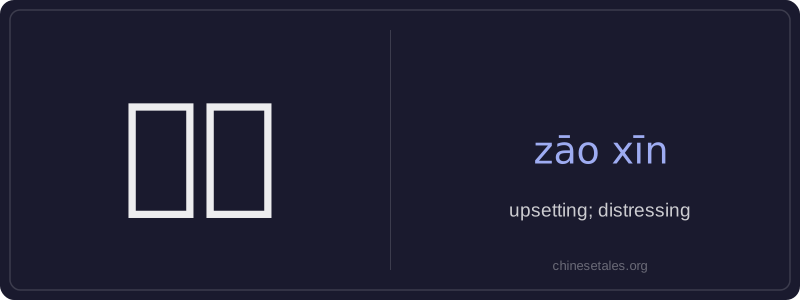
‘Zāo xīn’ literally combines ‘zāo’ (to ruin, spoil, or mess up) and ‘xīn’ (heart or mind), evoking the feeling of something that deeply unsettles or burdens the heart. It describes a strong emotional reaction—often frustration, helplessness, or quiet despair—not just mild annoyance but a lingering sense of distress that weighs on one’s mood.
This word is commonly used in informal spoken Chinese to express personal reactions to disappointing, unfair, or emotionally draining situations—like bad news, relationship troubles, or bureaucratic red tape. It’s rarely used in formal writing or neutral descriptions; instead, it conveys subjective, visceral discomfort. Native speakers often use it as a standalone exclamation (‘Zāo xīn!’) or modify nouns (e.g., ‘zāo xīn shì’ – an upsetting matter) or verbs (e.g., ‘zāo xīn de shì qíng’ – distressing things).
Example Sentences
Related Words
国语
‘Guó yǔ’ literally means 'national language'—
无论谁
‘无论谁’ (wú lùn shéi) is a pronoun meaning
外语
‘外语’ literally means ‘outside language’ —
面条
‘面条’ (miàn tiáo) literally means ‘flour str
认同
‘认同’ (tóng rèn) is a verb meaning ‘to ident
不对
不对 (bù duì) literally combines 不 (bù), meani
认为
‘认为’ (rèn wéi) is a transitive verb meaning
违规
违规 (wéi guī) literally means 'to violate rules