Word Explanation
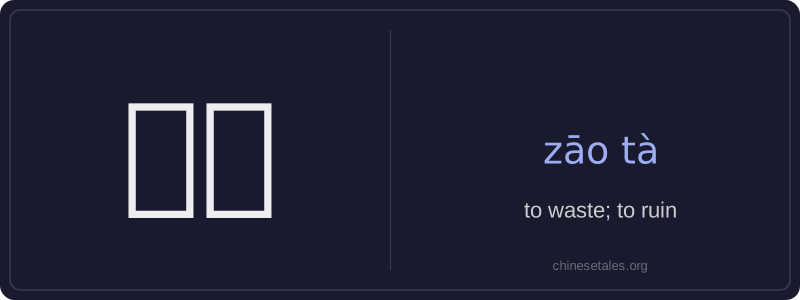
糟蹋 (zāo tà) is a transitive verb meaning 'to waste' or 'to ruin'—often with strong negative connotation, implying careless, disrespectful, or destructive misuse of something valuable. The first character 糟 (zāo) originally refers to dregs or fermented residue, suggesting something spoiled or degraded; the second character 蹋 (tà) means 'to trample' or 'to step on', evoking physical destruction or disregard. Together, they convey the idea of degrading or ruining something through negligence, abuse, or lack of appreciation.
This word is commonly used with concrete nouns like food, resources, time, health, talent, or opportunities—and sometimes abstract concepts like reputation or feelings. It often carries moral judgment: wasting food is not just inefficient but ethically questionable; squandering talent suggests personal failure or ingratitude. While it can describe accidental damage, it more frequently implies avoidable, irresponsible behavior.
Example Sentences
Related Words
国语
‘Guó yǔ’ literally means 'national language'—
无论谁
‘无论谁’ (wú lùn shéi) is a pronoun meaning
外语
‘外语’ literally means ‘outside language’ —
面条
‘面条’ (miàn tiáo) literally means ‘flour str
认同
‘认同’ (tóng rèn) is a verb meaning ‘to ident
不对
不对 (bù duì) literally combines 不 (bù), meani
认为
‘认为’ (rèn wéi) is a transitive verb meaning
违规
违规 (wéi guī) literally means 'to violate rules