Word Explanation
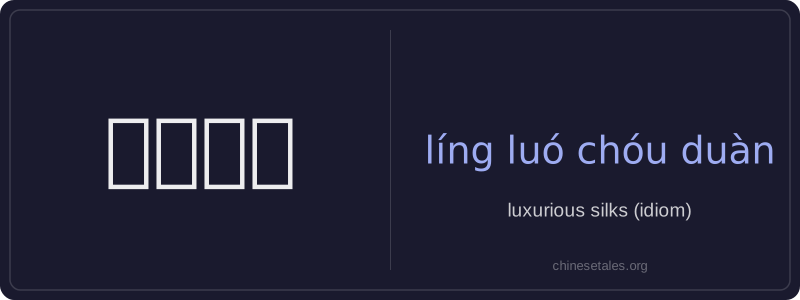
‘绫罗绸缎’ is a classical Chinese idiom referring collectively to four types of high-quality, historically prestigious silk fabrics: ‘绫’ (a lightweight, patterned silk with diagonal weave), ‘罗’ (a sheer, gauzy silk with openwork), ‘绸’ (a smooth, plain-weave silk), and ‘缎’ (a lustrous, satin-weave silk). Though each term originally denoted a distinct textile, together they function as a fixed noun phrase meaning ‘luxurious silks’—evoking wealth, refinement, and imperial or aristocratic elegance.
The phrase is highly literary and rarely used in everyday speech; it appears most often in historical novels, poetry, formal writing, or descriptive passages about traditional Chinese clothing, costumes, or opulence. It carries strong cultural connotations of classical aesthetics and social status, and is sometimes used metaphorically to represent extravagance or bygone splendor—not literal fabric types.
Example Sentences
Related Words
国语
‘Guó yǔ’ literally means 'national language'—
无论谁
‘无论谁’ (wú lùn shéi) is a pronoun meaning
外语
‘外语’ literally means ‘outside language’ —
面条
‘面条’ (miàn tiáo) literally means ‘flour str
认同
‘认同’ (tóng rèn) is a verb meaning ‘to ident
违规
违规 (wéi guī) literally means 'to violate rules
亲笔
‘亲笔’ literally means ‘one’s own hand’—comb
不对
不对 (bù duì) literally combines 不 (bù), meani