Word Explanation
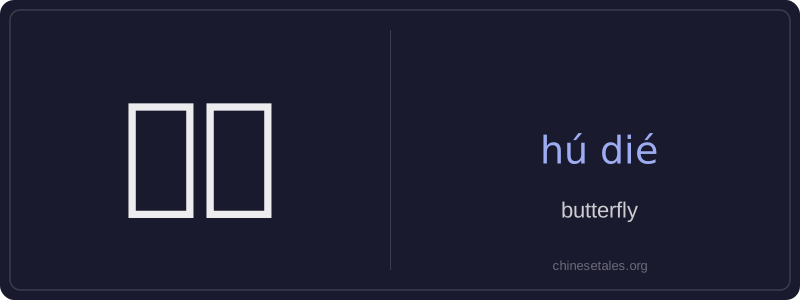
Butterfly is a compound noun formed by two characters, both of which relate to insects: 蝴 (hú) and 蝶 (dié). Neither character is used independently in modern Mandarin; they only appear together as 蝴蝶. The word evokes images of delicate, colorful insects with large wings that flutter gracefully—often associated with spring, gardens, and natural beauty in Chinese culture. It’s a common term in children’s stories, poetry, and nature observation.
Unlike some insect names that double for metaphors (e.g., 蜻蜓 qīngtíng for 'dragonfly'), 蝴蝶 rarely carries strong figurative meanings, though it may symbolize transformation or fleeting beauty in literary contexts. It’s pronounced with second tone on 蝴 and fourth tone on 蝶—note that the tones must be preserved; saying 'hū dié' or 'hú diē' changes the meaning entirely or results in nonsense.
Example Sentences
Related Words
国语
‘Guó yǔ’ literally means 'national language'—
无论谁
‘无论谁’ (wú lùn shéi) is a pronoun meaning
外语
‘外语’ literally means ‘outside language’ —
违规
违规 (wéi guī) literally means 'to violate rules
亲笔
‘亲笔’ literally means ‘one’s own hand’—comb
面条
‘面条’ (miàn tiáo) literally means ‘flour str
认同
‘认同’ (tóng rèn) is a verb meaning ‘to ident
短袜
‘短袜’ (duǎn wà) literally means ‘short sock