Word Explanation
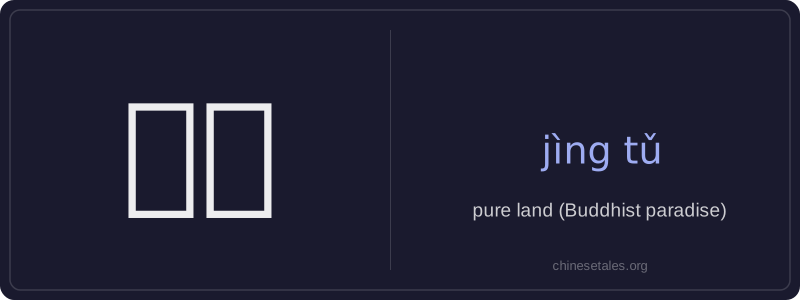
‘净土’ (jìng tǔ) literally means ‘pure land’—‘净’ (jìng) means ‘pure,’ ‘clean,’ or ‘undefiled,’ and ‘土’ (tǔ) means ‘land’ or ‘soil.’ In Mahayana Buddhism, especially in Pure Land Buddhism, it refers to a celestial paradise presided over by a Buddha (most commonly Amitābha Buddha), where beings can practice the Dharma without distraction or suffering and attain enlightenment more easily. It is not a physical location but a spiritually purified realm born from the Buddha’s vows and devotees’ faith and practice.
The term carries deep religious and philosophical weight and appears frequently in Buddhist scriptures, chants, temple inscriptions, and devotional literature. While historically rooted in Indian Buddhism, ‘净土’ became central to East Asian traditions—especially in China, Japan, and Korea—where it shaped art, ritual, and popular conceptions of afterlife and spiritual aspiration. It is rarely used outside religious or literary contexts and never in secular or scientific discourse.
Example Sentences
Related Words
背后
背后 literally means 'back + behind' and functions
不对
不对 (bù duì) literally combines 不 (bù), meani
中学
'Zhōngxué' literally combines 'zhōng' (middle)
见面
见面 literally means 'see face' — combining 见 (t
面条
‘面条’ (miàn tiáo) literally means ‘flour str
我的
我的 (wǒ de) is a possessive pronoun meaning 'my'
后来
Later (hòulái) is an adverb meaning 'afterwards'
认同
‘认同’ (tóng rèn) is a verb meaning ‘to ident