Word Explanation
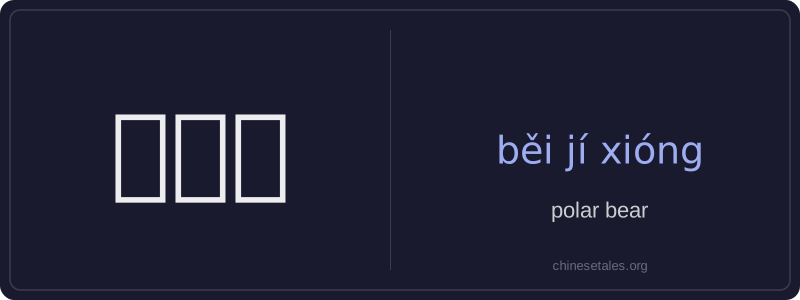
‘Běijí xióng’ literally means ‘North Pole bear’—a compound noun formed by combining 北 (běi, ‘north’), 极 (jí, ‘pole’), and 熊 (xióng, ‘bear’). It refers specifically to the large white bear native to the Arctic region, scientifically known as Ursus maritimus. Unlike other bears, the polar bear is highly adapted to cold environments with thick fur, a layer of blubber, and black skin that absorbs heat.
This term is used in scientific, educational, and everyday contexts—such as wildlife documentaries, environmental discussions, or children’s books about animals. While ‘xióng’ alone means ‘bear’, adding ‘běijí’ specifies the species unambiguously; there is no corresponding ‘nánjí xióng’ (South Pole bear) since no bear species lives in Antarctica. The word carries ecological connotations and often appears in conversations about climate change and habitat loss.
Example Sentences
Related Words
背后
背后 literally means 'back + behind' and functions
认同
‘认同’ (tóng rèn) is a verb meaning ‘to ident
不对
不对 (bù duì) literally combines 不 (bù), meani
中学
'Zhōngxué' literally combines 'zhōng' (middle)
见面
见面 literally means 'see face' — combining 见 (t
面条
‘面条’ (miàn tiáo) literally means ‘flour str
外语
‘外语’ literally means ‘outside language’ —
无论谁
‘无论谁’ (wú lùn shéi) is a pronoun meaning