Word Explanation
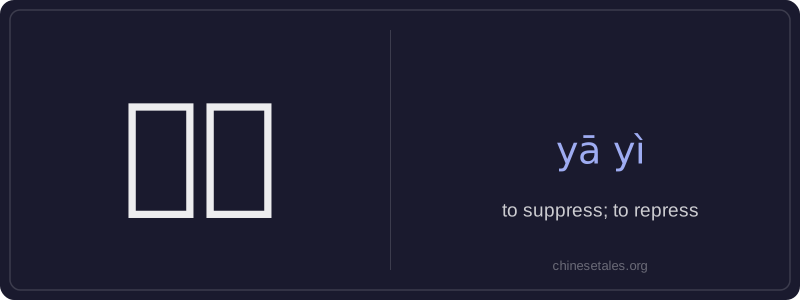
压抑 (yā yì) is a verb meaning 'to suppress' or 'to repress', especially emotions, desires, or natural impulses. The character 压 (yā) means 'to press down' or 'to weigh down', while 抑 (yì) means 'to restrain' or 'to hold back'. Together, they convey the sense of forcefully holding something inward — often feelings like anger, sadness, or anxiety — rather than expressing them openly. It frequently appears in psychological, medical, or interpersonal contexts, describing internal emotional control that may be intentional or habitual.
This word carries a slightly negative connotation: long-term suppression can imply emotional strain or mental health concerns. It’s commonly used with nouns like 情绪 (emotions), 欲望 (desires), or 本能 (instincts), and often appears in sentences with subjects like 他, 我, or 人们. Unlike neutral terms like 控制 (to control), 压抑 suggests tension, resistance, and potential harm if sustained.
Example Sentences
Related Words
面条
‘面条’ (miàn tiáo) literally means ‘flour str
背后
背后 literally means 'back + behind' and functions
认同
‘认同’ (tóng rèn) is a verb meaning ‘to ident
无论谁
‘无论谁’ (wú lùn shéi) is a pronoun meaning
中学
'Zhōngxué' literally combines 'zhōng' (middle)
认为
‘认为’ (rèn wéi) is a transitive verb meaning
认可
认可 (rèn kě) is a formal, transitive verb meani
不对
不对 (bù duì) literally combines 不 (bù), meani