Word Explanation
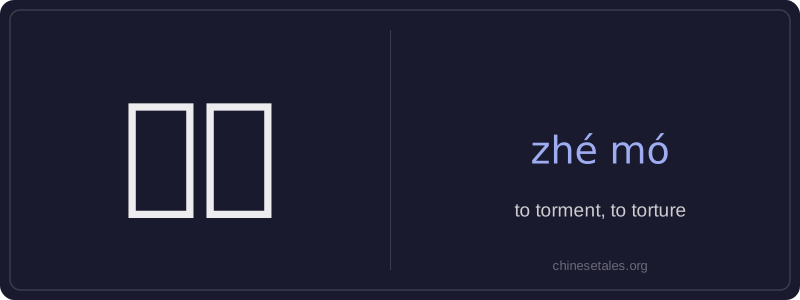
折磨 (zhé mó) is a compound verb meaning 'to torment' or 'to torture'—both physically and psychologically. The first character 折 (zhé) originally means 'to break' or 'to bend', suggesting forceful, damaging pressure; the second character 磨 (mó) means 'to grind' or 'to wear down', evoking slow, persistent friction or irritation. Together, they vividly convey prolonged, exhausting suffering—not just acute pain, but sustained mental anguish, frustration, or physical strain.
This word is commonly used in emotional or psychological contexts: chronic illness, guilt, unrequited love, anxiety, or oppressive situations. It carries strong negative connotation and implies helplessness or endurance over time. While it can describe literal torture in serious contexts, everyday usage often refers to milder but persistent distress—like insomnia, nagging worries, or exhausting responsibilities. It's rarely used lightly and seldom appears in formal or neutral registers without emotional weight.
Example Sentences
Related Words
国语
‘Guó yǔ’ literally means 'national language'—
面条
‘面条’ (miàn tiáo) literally means ‘flour str
背后
背后 literally means 'back + behind' and functions
认同
‘认同’ (tóng rèn) is a verb meaning ‘to ident
无论谁
‘无论谁’ (wú lùn shéi) is a pronoun meaning
中学
'Zhōngxué' literally combines 'zhōng' (middle)
见面
见面 literally means 'see face' — combining 见 (t
外语
‘外语’ literally means ‘outside language’ —