Word Explanation
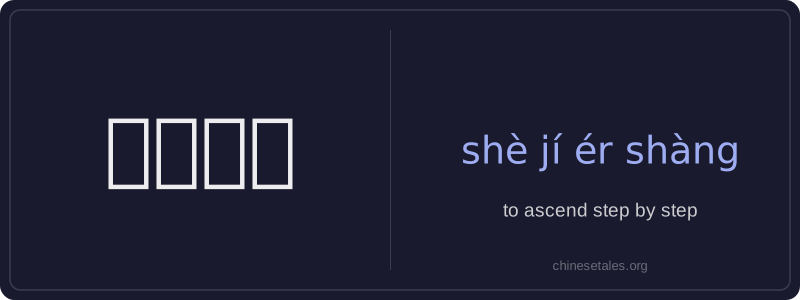
'Shè jí ér shàng' literally means 'to pick up steps and ascend'—but this is a classical, literary expression where 'shè' is an archaic verb meaning 'to step onto' (not 'to pick up'), and 'jí' refers to individual steps or tiers of stairs, a staircase, or even metaphorical levels. The phrase evokes a deliberate, steady, and often dignified ascent—whether physically climbing stone steps up a mountain path or temple, or figuratively progressing gradually toward a goal. It carries a refined, poetic tone and appears frequently in descriptive writing about landscapes, architecture, or personal growth.
This idiom is rarely used in casual speech; it belongs to written or formal spoken contexts like travel essays, historical narratives, or inspirational speeches. Its four-character structure and classical grammar ('A + B + ér + C') signal elegance and intentionality—not mere physical movement, but purposeful advancement with grace and patience.
Example Sentences
Related Words
国语
‘Guó yǔ’ literally means 'national language'—
面条
‘面条’ (miàn tiáo) literally means ‘flour str
背后
背后 literally means 'back + behind' and functions
认同
‘认同’ (tóng rèn) is a verb meaning ‘to ident
无论谁
‘无论谁’ (wú lùn shéi) is a pronoun meaning
中学
'Zhōngxué' literally combines 'zhōng' (middle)
见面
见面 literally means 'see face' — combining 见 (t
外语
‘外语’ literally means ‘outside language’ —