Word Explanation
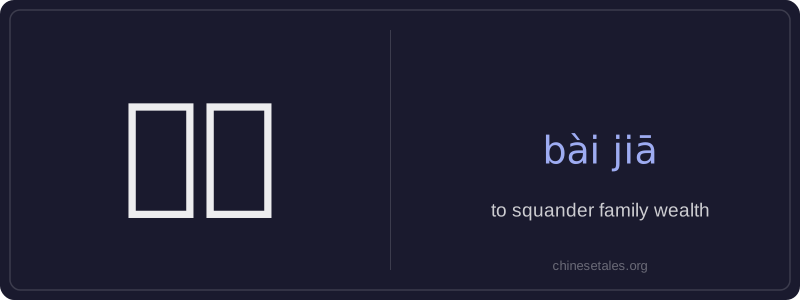
败家 (bài jiā) literally means 'to ruin the family' — 败 (bài) means 'to fail, ruin, or spoil', and 家 (jiā) means 'family' or 'household'. Together, the term describes reckless, excessive spending that depletes family resources, especially by younger generations. It carries strong disapproval and moral judgment, often used by elders to criticize wasteful habits like buying luxury goods, gaming loot boxes, or overspending on trends.
The word is commonly used in informal spoken Chinese and online commentary. While it can refer to actual financial harm, it’s frequently employed hyperbolically — for instance, jokingly calling someone 'a败家子 (bài jiā zǐ, a squanderer)' after they buy an expensive coffee. It implies not just spending money, but doing so without regard for long-term stability or familial responsibility.
Example Sentences
Related Words
国语
‘Guó yǔ’ literally means 'national language'—
面条
‘面条’ (miàn tiáo) literally means ‘flour str
背后
背后 literally means 'back + behind' and functions
认同
‘认同’ (tóng rèn) is a verb meaning ‘to ident
无论谁
‘无论谁’ (wú lùn shéi) is a pronoun meaning
中学
'Zhōngxué' literally combines 'zhōng' (middle)
见面
见面 literally means 'see face' — combining 见 (t
外语
‘外语’ literally means ‘outside language’ —