Word Explanation
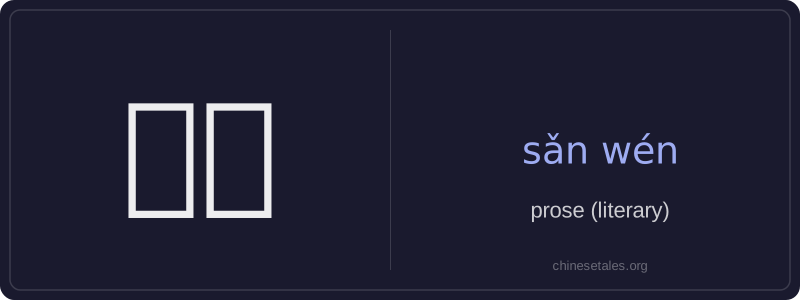
‘散文’ (sǎn wén) literally means ‘scattered writing’ — ‘散’ (sǎn) conveys looseness, freedom, or lack of strict form, while ‘文’ (wén) means ‘writing’ or ‘literature’. Together, they refer to literary prose: non-metrical, non-rhyming writing that emphasizes expression, imagery, and personal reflection rather than poetic structure. Unlike poetry (shīgē) or fiction (xiǎoshuō), prose prioritizes natural language flow, emotional authenticity, and vivid description.
This term is used primarily in literary and academic contexts — for example, when studying modern Chinese writers like Zhu Ziqing or Bing Xin, whose works are celebrated as masterpieces of modern Chinese prose. 散文 can be lyrical, narrative, or expository, but always retains an artistic, refined quality. It’s distinct from everyday writing (e.g., emails or reports) and from formal essays (lùnwén), which emphasize argument over aesthetic feeling.
Example Sentences
Related Words
国语
‘Guó yǔ’ literally means 'national language'—
面条
‘面条’ (miàn tiáo) literally means ‘flour str
背后
背后 literally means 'back + behind' and functions
认同
‘认同’ (tóng rèn) is a verb meaning ‘to ident
无论谁
‘无论谁’ (wú lùn shéi) is a pronoun meaning
中学
'Zhōngxué' literally combines 'zhōng' (middle)
见面
见面 literally means 'see face' — combining 见 (t
外语
‘外语’ literally means ‘outside language’ —