Word Explanation
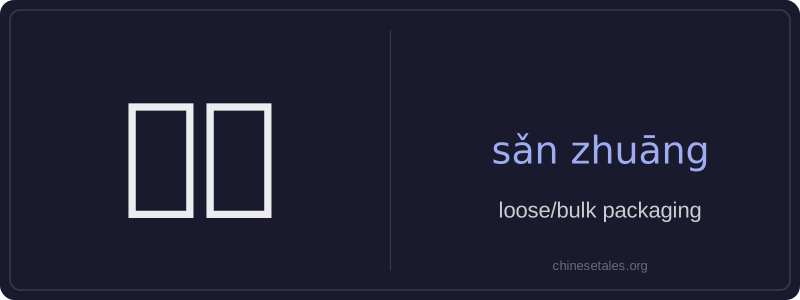
‘散装’ (sǎn zhuāng) literally combines ‘散’ (sǎn), meaning ‘loose’, ‘unpacked’, or ‘bulk’, and ‘装’ (zhuāng), meaning ‘to package’ or ‘to load’. Together, it refers to goods sold or stored without individual packaging — for example, rice, nuts, or cleaning supplies poured directly into bins or bags at a store. It emphasizes the absence of sealed, branded, or pre-portioned containers.
This term is common in everyday shopping contexts, especially in supermarkets, wet markets, and zero-waste stores. It contrasts with ‘预包装’ (yù bāozhuāng, pre-packaged) or ‘盒装’ (hé zhuāng, boxed). While ‘散装’ implies cost-effectiveness and flexibility in quantity, it may also raise concerns about freshness, hygiene, or shelf life — so it’s often used alongside phrases like ‘散装食品’ (loose food) or ‘散装饮料’ (bulk beverages).
Example Sentences
Related Words
国语
‘Guó yǔ’ literally means 'national language'—
面条
‘面条’ (miàn tiáo) literally means ‘flour str
背后
背后 literally means 'back + behind' and functions
认同
‘认同’ (tóng rèn) is a verb meaning ‘to ident
无论谁
‘无论谁’ (wú lùn shéi) is a pronoun meaning
中学
'Zhōngxué' literally combines 'zhōng' (middle)
见面
见面 literally means 'see face' — combining 见 (t
外语
‘外语’ literally means ‘outside language’ —