Word Explanation
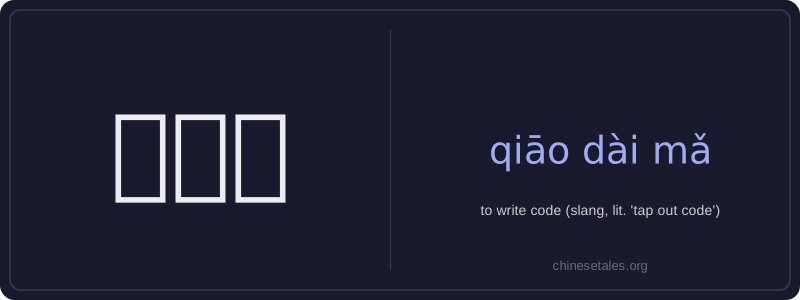
'Qiāo dài mǎ' literally means 'to tap out code' — 'qiāo' (to tap or strike) evokes the physical action of typing on a keyboard, while 'dài mǎ' means 'code'. This slang term is widely used among Chinese programmers and tech-savvy speakers to refer informally to the act of writing or coding software. It carries a casual, sometimes playful or self-deprecating tone, often implying long hours, focus, or immersion in development work.
The phrase reflects how digital labor is linguistically embodied in everyday speech: instead of formal terms like '编写代码 (biānxiě dài mǎ)', '敲代码' emphasizes the rhythmic, tactile experience of programming. It's common in informal conversations, online forums, memes, and workplace banter — especially among younger developers. While not technical jargon per se, it’s instantly recognizable across China’s tech community and signals shared identity and experience.
Example Sentences
Related Words
国语
‘Guó yǔ’ literally means 'national language'—
面条
‘面条’ (miàn tiáo) literally means ‘flour str
背后
背后 literally means 'back + behind' and functions
认同
‘认同’ (tóng rèn) is a verb meaning ‘to ident
无论谁
‘无论谁’ (wú lùn shéi) is a pronoun meaning
中学
'Zhōngxué' literally combines 'zhōng' (middle)
见面
见面 literally means 'see face' — combining 见 (t
外语
‘外语’ literally means ‘outside language’ —