Word Explanation
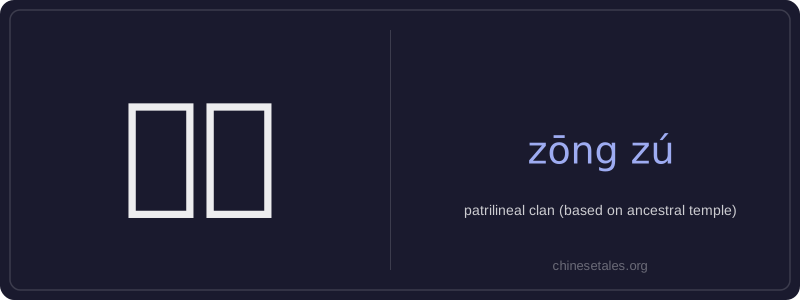
宗族 (zōng zú) refers to a traditional Chinese patrilineal clan — a kinship group bound by shared male-line ancestry, common surname, and especially the practice of worshipping ancestors together at a lineage temple (zōngmiào). The character 宗 means 'ancestral temple' or 'venerated origin', while 族 means 'clan' or 'kin group'; together, they emphasize ritual unity and descent from a founding patriarch. Historically,宗族 organized rural life, managed land and education, resolved disputes, and maintained genealogical records (jiāpǔ).
Though less dominant today,宗族 remains culturally significant in southern China, Taiwan, and overseas Chinese communities, especially during Qingming Festival or ancestral rites. It differs from the broader term 家族 (jiāzú, 'family') by its formal structure, collective identity, and religious-ritual focus — not just blood ties, but shared worship and lineage continuity.
Example Sentences
Related Words
国语
‘Guó yǔ’ literally means 'national language'—
面条
‘面条’ (miàn tiáo) literally means ‘flour str
背后
背后 literally means 'back + behind' and functions
认同
‘认同’ (tóng rèn) is a verb meaning ‘to ident
无论谁
‘无论谁’ (wú lùn shéi) is a pronoun meaning
中学
'Zhōngxué' literally combines 'zhōng' (middle)
见面
见面 literally means 'see face' — combining 见 (t
外语
‘外语’ literally means ‘outside language’ —