Word Explanation
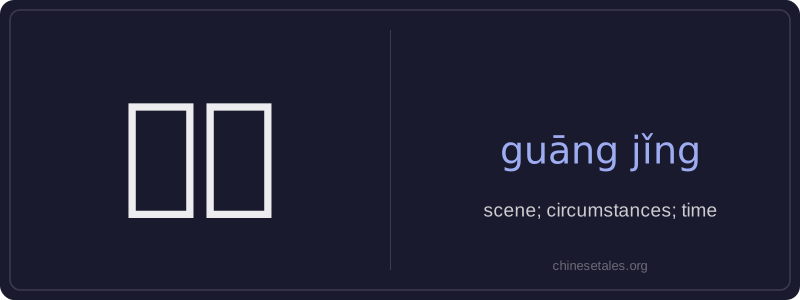
‘光景’ (guāng jǐng) literally combines 光 (guāng, 'light') and 景 (jǐng, 'scene' or 'view'), evoking the image of what light reveals — hence its core meaning: a visible scene, setting, or situation. It often carries a subtle connotation of atmosphere or mood, especially when describing places, moments, or general conditions.
In modern usage, ‘光景’ frequently refers to circumstances or conditions — for example, economic or personal situations ('the current state of affairs'). It can also mean 'a period of time', especially in literary or reflective contexts (e.g., 'those bygone days'). While somewhat formal or literary, it’s common in both spoken and written Chinese, particularly in descriptive or nostalgic expressions. It is rarely used for literal, static scenery — that role belongs more to ‘景色’ or ‘风景’. Instead, ‘光景’ emphasizes how things appear *in context*, including implied implications about quality or stability.
Example Sentences
Related Words
国语
‘Guó yǔ’ literally means 'national language'—
面条
‘面条’ (miàn tiáo) literally means ‘flour str
背后
背后 literally means 'back + behind' and functions
认同
‘认同’ (tóng rèn) is a verb meaning ‘to ident
无论谁
‘无论谁’ (wú lùn shéi) is a pronoun meaning
中学
'Zhōngxué' literally combines 'zhōng' (middle)
见面
见面 literally means 'see face' — combining 见 (t
外语
‘外语’ literally means ‘outside language’ —