Word Explanation
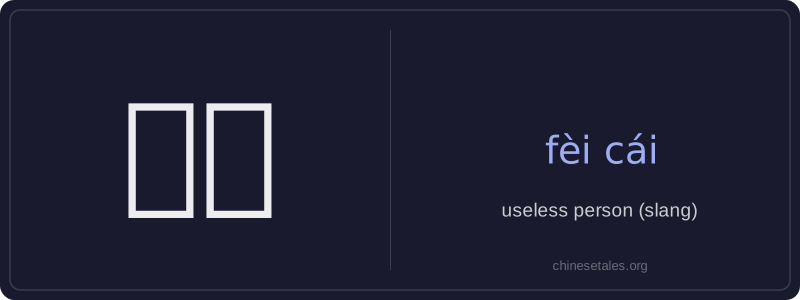
废材 (fèi cái) literally combines 废 (fèi), meaning 'waste,' 'discarded,' or 'useless,' and 材 (cái), meaning 'material' or 'person' (as in 人才 réncái, 'talented person'). Together, it forms a slangy, derogatory noun meaning 'useless person'—often used playfully among friends but potentially hurtful if said seriously. It carries strong connotations of incompetence, laziness, or failure to meet expectations, and is commonly heard in online forums, gaming communities, and casual speech.
The term is emotionally charged and typically reflects frustration or self-deprecating humor. While sometimes used lightheartedly (e.g., joking about one’s own mistakes), it can easily sound insulting depending on tone and context. It’s rarely used in formal settings or to describe others respectfully—and never in professional or academic discourse. Its emotional weight makes it more common in informal, youth-oriented communication than in neutral description.
Example Sentences
Related Words
国语
‘Guó yǔ’ literally means 'national language'—
面条
‘面条’ (miàn tiáo) literally means ‘flour str
背后
背后 literally means 'back + behind' and functions
认同
‘认同’ (tóng rèn) is a verb meaning ‘to ident
无论谁
‘无论谁’ (wú lùn shéi) is a pronoun meaning
中学
'Zhōngxué' literally combines 'zhōng' (middle)
见面
见面 literally means 'see face' — combining 见 (t
外语
‘外语’ literally means ‘outside language’ —