Word Explanation
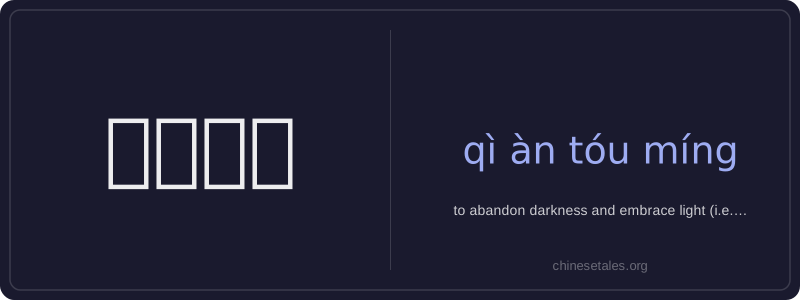
‘弃暗投明’ is a classical four-character idiom meaning literally ‘to abandon darkness and turn toward light.’ It metaphorically describes the act of renouncing an evil, corrupt, or unjust cause—and choosing instead to support what is righteous, just, or morally correct. The characters work together symbolically: 弃 (to abandon), 暗 (darkness, representing ignorance, oppression, or wrongdoing), 投 (to throw oneself into, to join), and 明 (light, representing truth, virtue, or the legitimate side). Historically, it was often used in historical novels and political discourse to describe defection from a tyrannical regime to a just one.
Today, the phrase retains strong moral and ideological connotations. While less common in casual speech, it appears in formal writing, news commentary, literature, and speeches—especially when describing moral awakening, political realignment, or personal redemption. It carries a solemn, somewhat literary tone and implies conscious ethical choice rather than mere convenience.
Example Sentences
Related Words
国语
‘Guó yǔ’ literally means 'national language'—
面条
‘面条’ (miàn tiáo) literally means ‘flour str
背后
背后 literally means 'back + behind' and functions
认同
‘认同’ (tóng rèn) is a verb meaning ‘to ident
无论谁
‘无论谁’ (wú lùn shéi) is a pronoun meaning
中学
'Zhōngxué' literally combines 'zhōng' (middle)
见面
见面 literally means 'see face' — combining 见 (t
外语
‘外语’ literally means ‘outside language’ —