Word Explanation
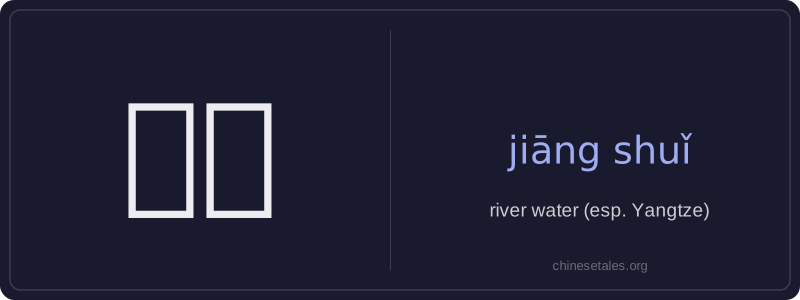
‘Jiāng shuǐ’ literally means ‘river water’, combining 江 (jiāng), which specifically refers to large rivers—especially the Yangtze River—and 水 (shuǐ), meaning ‘water’. While it can refer to river water in general, in literary, historical, and regional contexts, it most often evokes the Yangtze River, China’s longest and most culturally significant waterway. The term carries poetic and symbolic weight, frequently appearing in classical poetry, geography textbooks, and environmental discussions about major rivers.
Unlike the more generic term ‘hér shuǐ’ (river water), ‘jiāng shuǐ’ implies scale, permanence, and cultural resonance. It is rarely used for small streams or artificial canals. You’ll hear it in phrases like ‘jiāng shuǐ yǒu qíng’ (the river water is affectionate)—a metaphor for enduring natural forces—or in news reports about pollution or conservation efforts along the Yangtze.
Example Sentences
Related Words
国语
‘Guó yǔ’ literally means 'national language'—
面条
‘面条’ (miàn tiáo) literally means ‘flour str
背后
背后 literally means 'back + behind' and functions
外语
‘外语’ literally means ‘outside language’ —
认同
‘认同’ (tóng rèn) is a verb meaning ‘to ident
无论谁
‘无论谁’ (wú lùn shéi) is a pronoun meaning
中学
'Zhōngxué' literally combines 'zhōng' (middle)
见面
见面 literally means 'see face' — combining 见 (t