Word Explanation
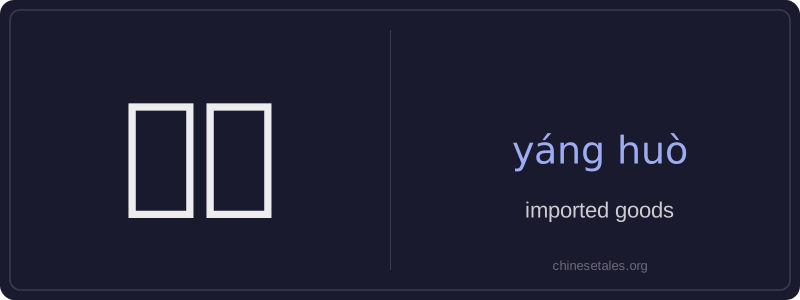
‘洋货’ literally combines ‘洋’ (yáng), meaning ‘ocean’ or historically ‘foreign, Western,’ and ‘货’ (huò), meaning ‘goods’ or ‘merchandise.’ Together, it refers to imported goods—products brought into China from abroad, especially those perceived as foreign-made, modern, or high-quality. Historically, the term carried connotations of Western industrialization and colonial trade; today it’s used more neutrally in everyday contexts like shopping, economics, and consumer culture.
The word often appears in discussions about trade, local vs. global markets, or cultural attitudes toward foreign products. It can imply prestige (e.g., luxury brands) or, occasionally, skepticism (e.g., concerns about authenticity or overpricing). Unlike the more formal term ‘进口商品’ (jìnkǒu shāngpǐn), ‘洋货’ is colloquial and slightly nostalgic or idiomatic—it’s common in speech, advertisements, and informal writing, but rarely in official documents.
Example Sentences
Related Words
国语
‘Guó yǔ’ literally means 'national language'—
面条
‘面条’ (miàn tiáo) literally means ‘flour str
背后
背后 literally means 'back + behind' and functions
外语
‘外语’ literally means ‘outside language’ —
认同
‘认同’ (tóng rèn) is a verb meaning ‘to ident
无论谁
‘无论谁’ (wú lùn shéi) is a pronoun meaning
中学
'Zhōngxué' literally combines 'zhōng' (middle)
见面
见面 literally means 'see face' — combining 见 (t