Word Explanation
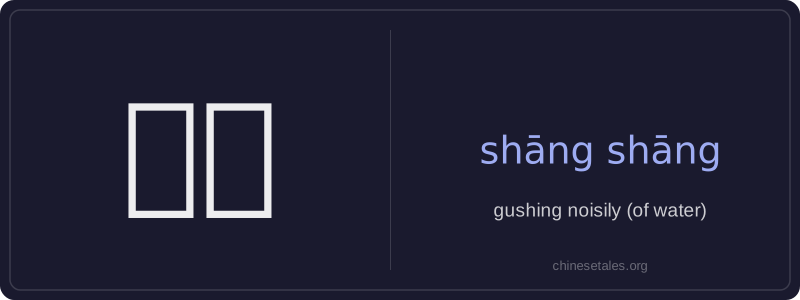
‘汤汤’ (shāng shāng) is a reduplicated adverb describing water flowing rapidly and noisily—like a rushing river or turbulent stream. Though both characters are written as 汤, this is a special literary pronunciation distinct from the common word for 'soup' (tāng). The repetition emphasizes intensity and continuity, evoking both sound and motion. It appears almost exclusively in classical or poetic contexts, especially when depicting natural scenery such as rivers, waterfalls, or seasonal floods.
This term carries a formal, elevated register and is rarely used in everyday speech or modern casual writing. It often appears in idioms, historical texts, or descriptive passages in literature and travel writing about majestic landscapes. Because it’s homographic with the common noun tāng (soup), learners must pay close attention to tone marks and context to avoid confusion—it never means 'soup' here, nor does it refer to temperature or food.
Example Sentences
Related Words
国语
‘Guó yǔ’ literally means 'national language'—
面条
‘面条’ (miàn tiáo) literally means ‘flour str
无论谁
‘无论谁’ (wú lùn shéi) is a pronoun meaning
背后
背后 literally means 'back + behind' and functions
外语
‘外语’ literally means ‘outside language’ —
认同
‘认同’ (tóng rèn) is a verb meaning ‘to ident
中学
'Zhōngxué' literally combines 'zhōng' (middle)
见面
见面 literally means 'see face' — combining 见 (t