Word Explanation
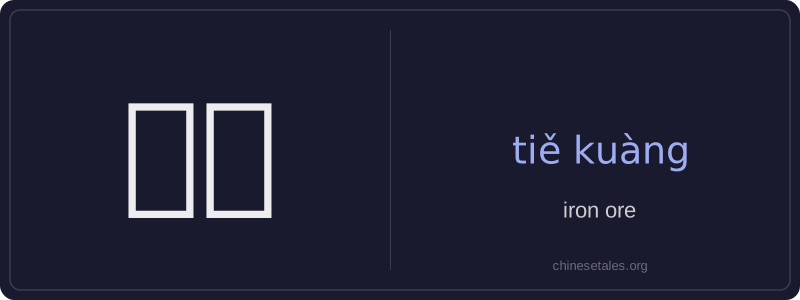
铁矿 (tiě kuàng) literally combines 铁 (tiě), meaning 'iron', and 矿 (kuàng), meaning 'mine' or 'ore'. Together, it refers specifically to the naturally occurring rock or sedimentary material from which metallic iron can be economically extracted. It is a key raw material in steel production and industrial manufacturing.
This term is commonly used in geological, mining, economic, and environmental contexts — for example, when discussing natural resources, mining operations, or China’s domestic mineral reserves. While 铁 alone means 'iron' (the metal), adding 矿 specifies the unrefined, naturally occurring source. It is not used for processed iron or alloys, nor for metaphorical or abstract uses — it always denotes the physical ore deposit or material.
Example Sentences
Related Words
国语
‘Guó yǔ’ literally means 'national language'—
面条
‘面条’ (miàn tiáo) literally means ‘flour str
无论谁
‘无论谁’ (wú lùn shéi) is a pronoun meaning
背后
背后 literally means 'back + behind' and functions
外语
‘外语’ literally means ‘outside language’ —
认同
‘认同’ (tóng rèn) is a verb meaning ‘to ident
中学
'Zhōngxué' literally combines 'zhōng' (middle)
见面
见面 literally means 'see face' — combining 见 (t