Word Explanation
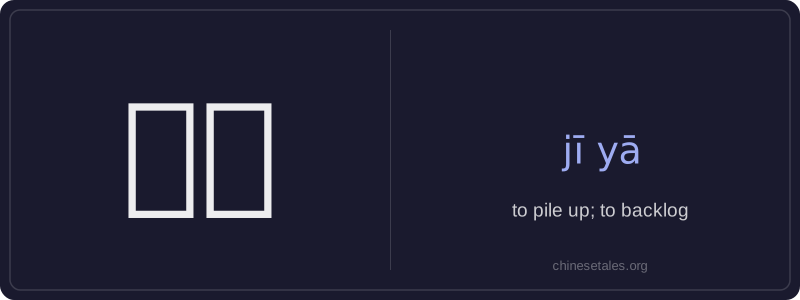
积压 is a verb meaning 'to pile up' or 'to backlog'—referring to items, tasks, or goods that accumulate over time because they haven’t been processed, sold, or dealt with. The first character 积 (jī) means 'to accumulate' or 'to store up', while 压 (yā) literally means 'to press down' or 'to weigh down'; together, they evoke the image of things piling up and creating pressure or obstruction. This word often carries a slightly negative connotation, suggesting inefficiency, delay, or oversupply.
It’s commonly used in business, logistics, administration, and personal contexts—for example, unsold inventory, overdue paperwork, or pending applications. Unlike general words for 'accumulate' like 累积 (lěi jī), 积压 specifically implies an undesirable buildup that hinders progress. It’s frequently found in news reports, company memos, and everyday complaints about delays or bottlenecks.
Example Sentences
Related Words
国语
‘Guó yǔ’ literally means 'national language'—
面条
‘面条’ (miàn tiáo) literally means ‘flour str
认同
‘认同’ (tóng rèn) is a verb meaning ‘to ident
无论谁
‘无论谁’ (wú lùn shéi) is a pronoun meaning
背后
背后 literally means 'back + behind' and functions
外语
‘外语’ literally means ‘outside language’ —
认为
‘认为’ (rèn wéi) is a transitive verb meaning
中学
'Zhōngxué' literally combines 'zhōng' (middle)