Word Explanation
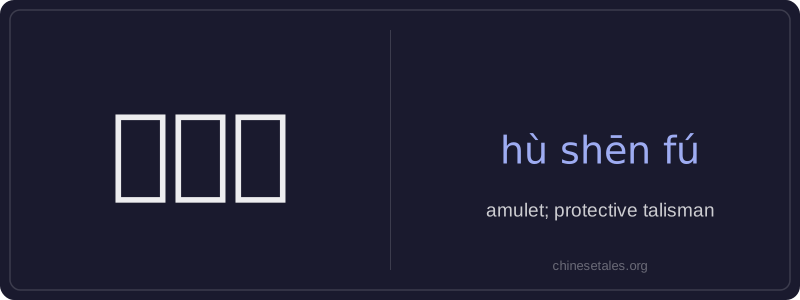
护身符 (hù shēn fú) literally means 'protect-the-body talisman' — combining 护 (hù, 'to protect'), 身 (shēn, 'body' or 'person'), and 符 (fú, 'talisman' or 'charm'). It refers to a physical object — often a small pendant, paper charm, or embroidered cloth — believed to offer spiritual or magical protection against harm, misfortune, or evil spirits. Historically rooted in Daoist and folk religious practices, it is commonly worn around the neck, carried in a pocket, or placed in homes or vehicles.
While traditionally associated with superstition or religious ritual, modern usage can be more symbolic or cultural — for example, a jade pendant given to a child as a blessing, or a red thread tied by elders during festivals. Unlike medical or legal protections, a hù shēn fú operates in the realm of belief and tradition, and its power is understood subjectively rather than empirically.
Example Sentences
Related Words
国语
‘Guó yǔ’ literally means 'national language'—
面条
‘面条’ (miàn tiáo) literally means ‘flour str
无论谁
‘无论谁’ (wú lùn shéi) is a pronoun meaning
背后
背后 literally means 'back + behind' and functions
外语
‘外语’ literally means ‘outside language’ —
认同
‘认同’ (tóng rèn) is a verb meaning ‘to ident
中学
'Zhōngxué' literally combines 'zhōng' (middle)
认为
‘认为’ (rèn wéi) is a transitive verb meaning