Word Explanation
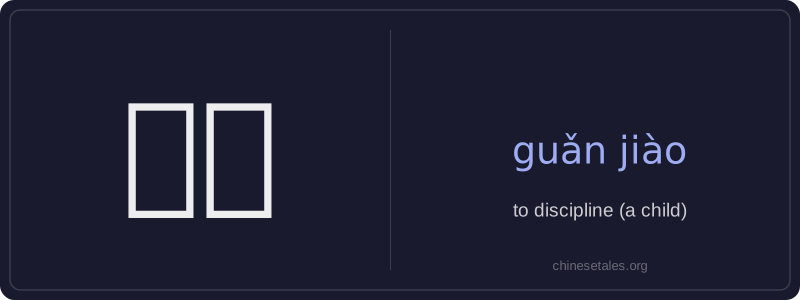
管教 (guǎn jiào) is a verb meaning 'to discipline'—especially in the context of raising or correcting children. It combines 管 (guǎn), meaning 'to manage', 'to supervise', or 'to control', and 教 (jiào), meaning 'to teach' or 'to instruct'. Together, they convey the idea of guiding behavior through both supervision and instruction—not just punishment, but also moral training and setting boundaries. It’s commonly used by parents, teachers, or guardians when referring to their responsibility to shape a child’s conduct and character.
This word carries a formal, slightly traditional tone and often implies authority and care. It appears frequently in discussions about parenting, education policy, or family values. While it can sound strict, it’s not inherently harsh; effective 管教 is understood in Chinese culture as loving and purposeful—not arbitrary or abusive. It’s rarely used for adults or animals, and almost never for inanimate objects.
Example Sentences
Related Words
国语
‘Guó yǔ’ literally means 'national language'—
面条
‘面条’ (miàn tiáo) literally means ‘flour str
无论谁
‘无论谁’ (wú lùn shéi) is a pronoun meaning
背后
背后 literally means 'back + behind' and functions
外语
‘外语’ literally means ‘outside language’ —
认同
‘认同’ (tóng rèn) is a verb meaning ‘to ident
中学
'Zhōngxué' literally combines 'zhōng' (middle)
认为
‘认为’ (rèn wéi) is a transitive verb meaning