Word Explanation
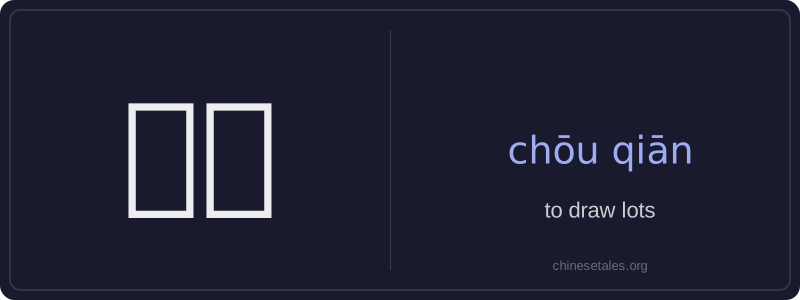
‘抽签’ literally means ‘to draw (chōu) a lot or slip (qiān)’ — a traditional method of making impartial decisions by randomly selecting folded pieces of paper, bamboo sticks, or slips from a container. The character 抽 conveys the physical action of pulling or drawing out, while 签 refers specifically to marked lots used for selection. Together, they form a common verb describing a fair, chance-based decision-making process.
This practice appears in everyday life and formal settings: classroom teachers may use it to assign roles; festival organizers draw winners for raffles; and families might decide who washes dishes by drawing lots. Though digital randomizers are increasingly common, ‘抽签’ retains cultural resonance as a symbol of fairness and lighthearted unpredictability. It’s neutral in register — appropriate for spoken and written Chinese across ages and contexts — and typically appears in simple verb-object or verb-complement structures.
Example Sentences
Related Words
国语
‘Guó yǔ’ literally means 'national language'—
面条
‘面条’ (miàn tiáo) literally means ‘flour str
无论谁
‘无论谁’ (wú lùn shéi) is a pronoun meaning
背后
背后 literally means 'back + behind' and functions
外语
‘外语’ literally means ‘outside language’ —
认同
‘认同’ (tóng rèn) is a verb meaning ‘to ident
中学
'Zhōngxué' literally combines 'zhōng' (middle)
认为
‘认为’ (rèn wéi) is a transitive verb meaning