Word Explanation
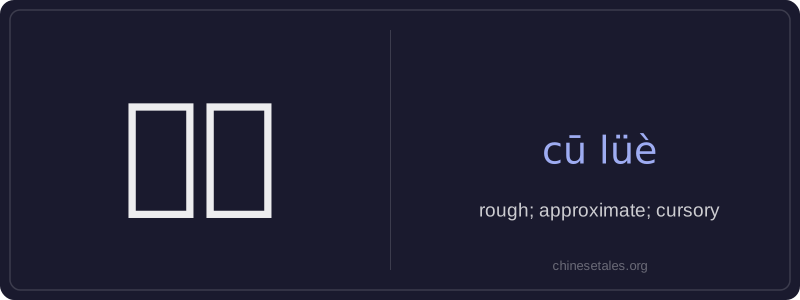
粗略 (cū lüè) is an adjective meaning 'rough', 'approximate', or 'cursory'. It combines 粗 (cū), which means 'coarse' or 'rough', and 略 (lüè), meaning 'brief' or 'to omit'. Together, they convey the idea of something done without fine detail—skimming the surface rather than examining thoroughly. The word often describes estimates, summaries, inspections, or preliminary understandings.
It's commonly used in academic, professional, and everyday contexts—for example, giving a rough estimate of time or cost, doing a quick review of material before a meeting, or describing an initial assessment that lacks precision. While it carries no negative connotation by itself, context may imply insufficiency if thoroughness is expected. It’s more formal than colloquial alternatives like 大概 (dàgài) but less technical than 精确的 (jīngquè de).
Example Sentences
Related Words
国语
‘Guó yǔ’ literally means 'national language'—
面条
‘面条’ (miàn tiáo) literally means ‘flour str
无论谁
‘无论谁’ (wú lùn shéi) is a pronoun meaning
背后
背后 literally means 'back + behind' and functions
外语
‘外语’ literally means ‘outside language’ —
认同
‘认同’ (tóng rèn) is a verb meaning ‘to ident
中学
'Zhōngxué' literally combines 'zhōng' (middle)
认为
‘认为’ (rèn wéi) is a transitive verb meaning