Word Explanation
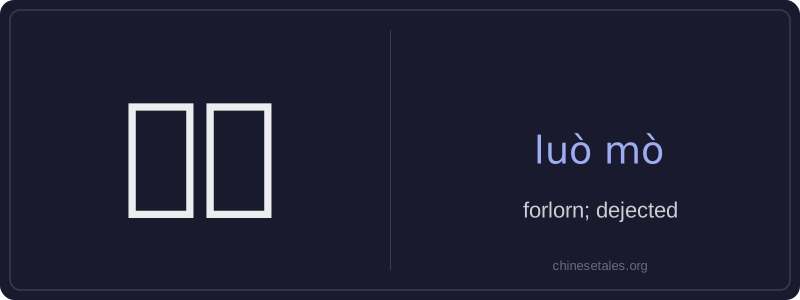
落寞 (luò mò) is an evocative two-character adjective describing a quiet, lingering sense of loneliness and dejection—often tied to solitude, abandonment, or fading hope. The first character 落 (luò) suggests decline, falling, or things coming to an end; the second, 寞 (mò), means stillness, silence, or emptiness—literally 'silent as a desert'. Together, they convey not just sadness, but a hushed, introspective melancholy, like standing alone in an empty courtyard at dusk. It’s more poetic and literary than everyday words like 难过 (nánguò) or 悲伤 (bēishāng), often appearing in literature, song lyrics, or reflective speech.
This word carries a gentle, almost aesthetic weight—it’s rarely used for acute grief or anger, but rather for the soft ache of isolation, unfulfilled longing, or quiet disappointment. It frequently modifies nouns (e.g., 落寞的背影 ‘a forlorn silhouette’) or appears after 是 or 很, and it’s seldom used in casual spoken Chinese among young people without stylistic intent.
Example Sentences
Related Words
国语
‘Guó yǔ’ literally means 'national language'—
无论谁
‘无论谁’ (wú lùn shéi) is a pronoun meaning
外语
‘外语’ literally means ‘outside language’ —
面条
‘面条’ (miàn tiáo) literally means ‘flour str
不对
不对 (bù duì) literally combines 不 (bù), meani
认为
‘认为’ (rèn wéi) is a transitive verb meaning
认同
‘认同’ (tóng rèn) is a verb meaning ‘to ident
中学
'Zhōngxué' literally combines 'zhōng' (middle)