Word Explanation
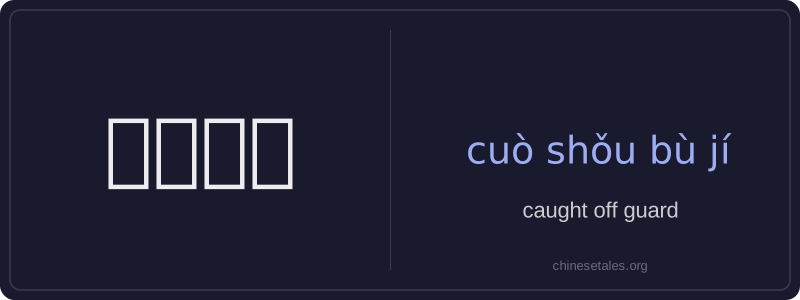
‘措手不及’ literally means ‘no time to arrange one’s hands’—a vivid classical idiom expressing sudden, overwhelming surprise or shock that leaves someone unable to react quickly. The four characters combine to convey helplessness in the face of an unexpected event: 措 (to arrange or handle), 手 (hand, symbolizing action), 不 (not), and 及 (to reach or catch up). It describes a psychological and physical state of being unprepared—not just surprised, but genuinely caught without mental or physical readiness.
This phrase is commonly used in both spoken and written Chinese to describe situations like sudden accidents, surprise announcements, or rapid changes in circumstances. It carries a slightly formal or literary tone and often implies seriousness or urgency. While it can describe minor surprises, it’s most natural when the unexpected event has real consequences—such as a missed deadline, an emergency, or an abrupt personal setback.
Example Sentences
Related Words
国语
‘Guó yǔ’ literally means 'national language'—
无论谁
‘无论谁’ (wú lùn shéi) is a pronoun meaning
外语
‘外语’ literally means ‘outside language’ —
面条
‘面条’ (miàn tiáo) literally means ‘flour str
不对
不对 (bù duì) literally combines 不 (bù), meani
认为
‘认为’ (rèn wéi) is a transitive verb meaning
认同
‘认同’ (tóng rèn) is a verb meaning ‘to ident
违规
违规 (wéi guī) literally means 'to violate rules