Word Explanation
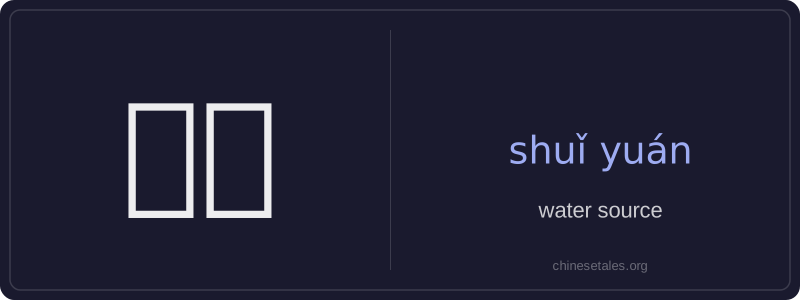
水源 (shuǐ yuán) literally combines 水 (shuǐ), meaning 'water', and 源 (yuán), meaning 'source' or 'origin'. Together, they refer to the natural or artificial origin from which water flows—such as a spring, river headwater, glacier melt, reservoir, or well. It emphasizes where usable water begins its journey into human systems or ecosystems.
This term is commonly used in environmental science, urban planning, public health, and geography. It appears in discussions about water safety ('protected water source'), pollution control ('contaminated water source'), infrastructure ('municipal water source'), and conservation ('preserving mountain water sources'). Unlike more casual terms like 水 (shuǐ) or 井 (jǐng, 'well'), 水源 carries a formal, technical nuance and often implies sustainability, accessibility, and quality.
Example Sentences
Related Words
国语
‘Guó yǔ’ literally means 'national language'—
无论谁
‘无论谁’ (wú lùn shéi) is a pronoun meaning
外语
‘外语’ literally means ‘outside language’ —
面条
‘面条’ (miàn tiáo) literally means ‘flour str
认同
‘认同’ (tóng rèn) is a verb meaning ‘to ident
不对
不对 (bù duì) literally combines 不 (bù), meani
认为
‘认为’ (rèn wéi) is a transitive verb meaning
违规
违规 (wéi guī) literally means 'to violate rules