Word Explanation
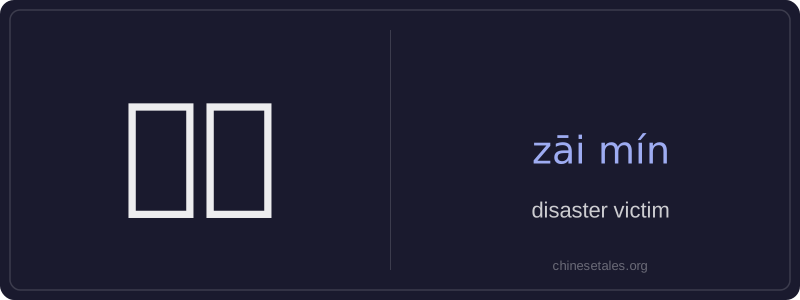
‘灾民’ (zāi mín) literally combines ‘灾’ (zāi), meaning ‘disaster’ — such as earthquake, flood, drought, or typhoon — and ‘民’ (mín), meaning ‘people’ or ‘citizens’. Together, the term specifically refers to people who have been directly affected by a natural or man-made disaster, suffering loss of home, livelihood, health, or family. It carries a strong connotation of vulnerability and urgent need for aid.
This word is used primarily in formal, media, and humanitarian contexts — news reports, government announcements, NGO relief efforts — rather than casual speech. It emphasizes collective experience and shared hardship, not individual trauma. While neutral in dictionary definition, tone and context often imbue it with empathy or solemnity. It does not imply permanent status: once resettled or recovered, people are no longer referred to as ‘灾民’.
Example Sentences
Related Words
国语
‘Guó yǔ’ literally means 'national language'—
无论谁
‘无论谁’ (wú lùn shéi) is a pronoun meaning
外语
‘外语’ literally means ‘outside language’ —
面条
‘面条’ (miàn tiáo) literally means ‘flour str
认同
‘认同’ (tóng rèn) is a verb meaning ‘to ident
不对
不对 (bù duì) literally combines 不 (bù), meani
认为
‘认为’ (rèn wéi) is a transitive verb meaning
违规
违规 (wéi guī) literally means 'to violate rules