Word Explanation
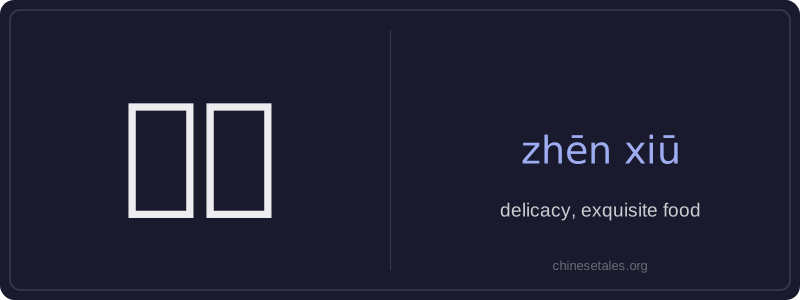
珍馐 (zhēn xiū) is a formal, literary noun meaning 'delicacy' or 'exquisite food' — especially rare, luxurious, or skillfully prepared dishes. The first character 珍 means 'precious' or 'rare', while the second character 馐 means 'cooked food' or 'dish'. Together, they evoke the idea of food so fine and valuable that it’s fit for royalty or special ceremonial occasions. This term carries strong connotations of refinement, scarcity, and culinary artistry.
It appears frequently in classical poetry, historical novels, restaurant menus, and formal writing — but rarely in casual speech. You’ll encounter it describing imperial banquets, gourmet feasts, or metaphorically to praise exceptional craftsmanship. Because of its elevated register, using 珍馐 in everyday conversation (e.g., ordering lunch) would sound overly dramatic or humorous. It’s most natural when paired with verbs like 呈上 (to present), 品尝 (to taste), or 摆满 (to be filled with).
Example Sentences
Related Words
国语
‘Guó yǔ’ literally means 'national language'—
无论谁
‘无论谁’ (wú lùn shéi) is a pronoun meaning
外语
‘外语’ literally means ‘outside language’ —
面条
‘面条’ (miàn tiáo) literally means ‘flour str
认同
‘认同’ (tóng rèn) is a verb meaning ‘to ident
不对
不对 (bù duì) literally combines 不 (bù), meani
认为
‘认为’ (rèn wéi) is a transitive verb meaning
违规
违规 (wéi guī) literally means 'to violate rules