Word Explanation
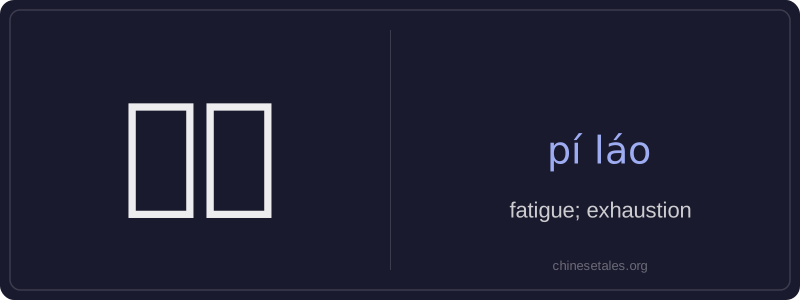
疲劳 (pí láo) is a compound noun meaning 'fatigue' or 'exhaustion' — a physical or mental state of extreme tiredness resulting from prolonged activity, stress, or illness. The character 疲 (pí) means 'tired' or 'weary', often implying depletion of energy; 劳 (láo) means 'toil', 'labor', or 'hard work', suggesting effort that wears one down. Together, they emphasize exhaustion caused by sustained exertion — not just momentary sleepiness, but a deeper, often lingering weariness affecting performance and well-being.
This word is commonly used in health, medical, workplace, and daily life contexts — for example, when describing symptoms of overwork, chronic conditions, or recovery needs. It’s more formal and clinical than colloquial terms like 累 (lèi), and frequently appears in phrases like 疲劳驾驶 (fatigued driving) or 慢性疲劳 (chronic fatigue). While it can describe people, it’s also used attributively before nouns (e.g., 疲劳感 'feeling of fatigue') and functions as a noun in subject or object position.
Example Sentences
Related Words
国语
‘Guó yǔ’ literally means 'national language'—
无论谁
‘无论谁’ (wú lùn shéi) is a pronoun meaning
外语
‘外语’ literally means ‘outside language’ —
面条
‘面条’ (miàn tiáo) literally means ‘flour str
认同
‘认同’ (tóng rèn) is a verb meaning ‘to ident
不对
不对 (bù duì) literally combines 不 (bù), meani
认为
‘认为’ (rèn wéi) is a transitive verb meaning
违规
违规 (wéi guī) literally means 'to violate rules