Word Explanation
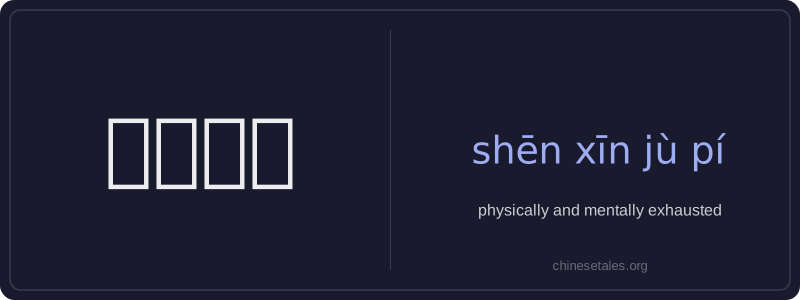
‘身心俱疲’ literally means 'body and mind both exhausted' — it describes a state of deep, all-encompassing weariness affecting both physical energy and mental resilience. The four characters work together: 身 (body), 心 (mind/heart), 俱 (both, all), and 疲 (tired, fatigued). Unlike simple fatigue (e.g., 累), this phrase emphasizes simultaneous depletion across two essential dimensions of human well-being.
This expression is commonly used in formal writing, medical contexts, or empathetic speech to convey serious exhaustion — often resulting from prolonged stress, caregiving, chronic illness, or intense emotional strain. It carries a tone of gravity and sympathy; speakers use it not for everyday tiredness after work, but for profound depletion that impairs daily functioning. While grammatically an adjective, it typically functions predicatively (e.g., 他身心俱疲) or as a subject complement after 是 or 很.
Example Sentences
Related Words
国语
‘Guó yǔ’ literally means 'national language'—
无论谁
‘无论谁’ (wú lùn shéi) is a pronoun meaning
外语
‘外语’ literally means ‘outside language’ —
面条
‘面条’ (miàn tiáo) literally means ‘flour str
认同
‘认同’ (tóng rèn) is a verb meaning ‘to ident
不对
不对 (bù duì) literally combines 不 (bù), meani
认为
‘认为’ (rèn wéi) is a transitive verb meaning
违规
违规 (wéi guī) literally means 'to violate rules