Word Explanation
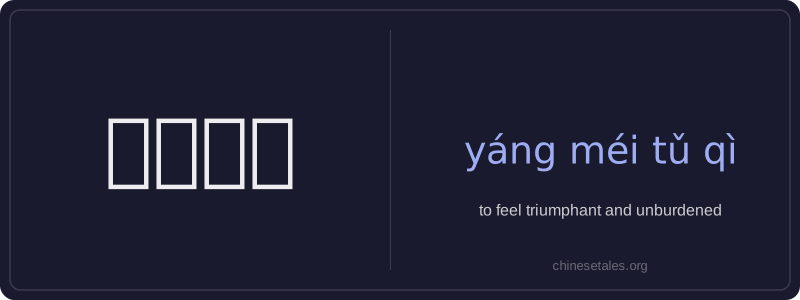
‘扬眉吐气’ literally depicts the physical act of raising one’s eyebrows and exhaling deeply — a spontaneous gesture signaling relief, pride, or vindication after enduring hardship, suppression, or humiliation. The four characters work together: 扬 (to raise/lift), 眉 (eyebrows), 吐 (to expel/breathe out), and 气 (breath/energy). Together, they evoke the visceral release of pent-up tension and the confident emergence of self-assurance.
This idiom is commonly used in contexts of national pride, personal triumph over adversity, or long-awaited recognition — for example, after a historic achievement, a hard-won legal victory, or overcoming discrimination. It carries a strong positive emotional charge and often implies both inner liberation and outward confidence. Though it describes a feeling, it functions grammatically as a noun or verb and frequently appears after verbs like ‘感到’ (feel), ‘终于’ (finally), or ‘令人’ (makes one).
Example Sentences
Related Words
国语
‘Guó yǔ’ literally means 'national language'—
无论谁
‘无论谁’ (wú lùn shéi) is a pronoun meaning
外语
‘外语’ literally means ‘outside language’ —
面条
‘面条’ (miàn tiáo) literally means ‘flour str
认同
‘认同’ (tóng rèn) is a verb meaning ‘to ident
不对
不对 (bù duì) literally combines 不 (bù), meani
认为
‘认为’ (rèn wéi) is a transitive verb meaning
违规
违规 (wéi guī) literally means 'to violate rules