Word Explanation
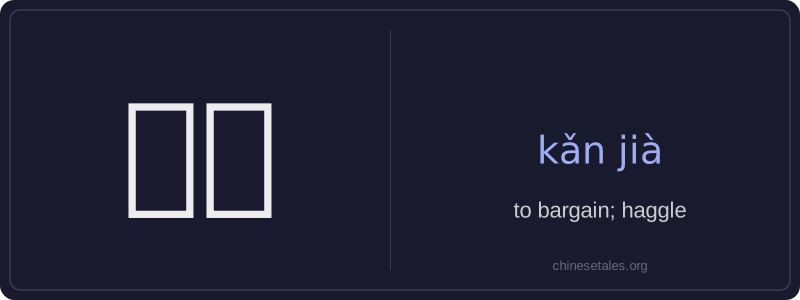
砍价 (kǎn jià) literally means 'to cut price' — the character 砍 (kǎn) means 'to chop' or 'to slash', and 价 (jià) means 'price'. Together, they form a vivid, colloquial verb meaning to bargain or haggle, especially in informal, face-to-face settings like street markets, small shops, or secondhand transactions. It implies an active, sometimes playful or assertive attempt to lower the seller's asking price through negotiation.
This term is widely used across mainland China and carries a neutral-to-informal register — it’s common in daily speech but rarely appears in formal contracts or official documents. While not inherently rude, successful 砍价 often depends on tone, relationship, and local custom; in some contexts (e.g., fixed-price department stores), attempting to 砍价 may be inappropriate. It reflects a practical, resource-conscious aspect of everyday economic interaction.
Example Sentences
Related Words
国语
‘Guó yǔ’ literally means 'national language'—
无论谁
‘无论谁’ (wú lùn shéi) is a pronoun meaning
外语
‘外语’ literally means ‘outside language’ —
面条
‘面条’ (miàn tiáo) literally means ‘flour str
认同
‘认同’ (tóng rèn) is a verb meaning ‘to ident
不对
不对 (bù duì) literally combines 不 (bù), meani
认为
‘认为’ (rèn wéi) is a transitive verb meaning
违规
违规 (wéi guī) literally means 'to violate rules