Word Explanation
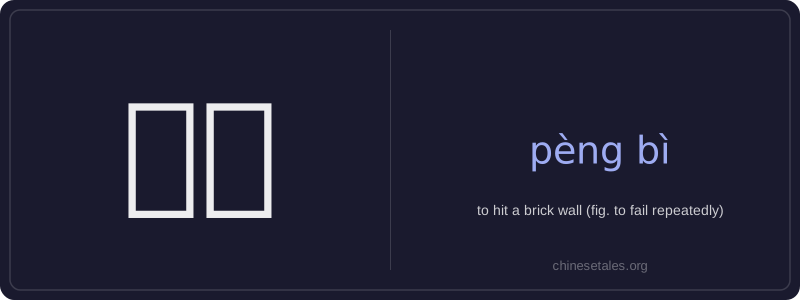
'碰壁' (pèng bì) literally means 'to hit a wall', but it's used figuratively to describe repeated failure or rejection when trying to achieve something—like running headfirst into an immovable obstacle. The character 碰 (pèng) means 'to bump into' or 'to collide with', while 壁 (bì) means 'wall' or 'brick wall'. Together, they evoke the physical sensation of hitting something solid and unyielding, which mirrors the frustration of encountering persistent obstacles in real life—whether bureaucratic red tape, social resistance, or personal setbacks.
This idiom is commonly used in informal and semi-formal speech and writing, often to express disappointment, helplessness, or irony about failed efforts. It carries a slightly colloquial, vivid tone and is rarely used in formal reports or academic contexts. Native speakers often use it reflexively ('碰了几次壁') or with modal verbs ('总在碰壁'), emphasizing repetition and futility rather than a single incident.
Example Sentences
Related Words
国语
‘Guó yǔ’ literally means 'national language'—
无论谁
‘无论谁’ (wú lùn shéi) is a pronoun meaning
外语
‘外语’ literally means ‘outside language’ —
面条
‘面条’ (miàn tiáo) literally means ‘flour str
认同
‘认同’ (tóng rèn) is a verb meaning ‘to ident
不对
不对 (bù duì) literally combines 不 (bù), meani
认为
‘认为’ (rèn wéi) is a transitive verb meaning
违规
违规 (wéi guī) literally means 'to violate rules