Word Explanation
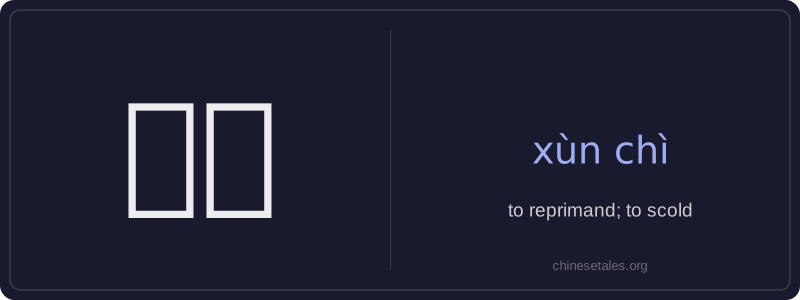
训斥 is a formal, somewhat stern verb meaning 'to reprimand' or 'to scold'—typically implying a sharp, authoritative rebuke delivered by someone in a position of authority (e.g., a parent, teacher, or supervisor) to correct improper behavior. The character 训 (xùn) means 'to instruct' or 'to admonish', carrying connotations of moral guidance; 斥 (chì) means 'to rebuke' or 'to denounce', adding intensity and disapproval. Together, they form a compound emphasizing both correction and censure—not merely expressing anger, but aiming to enforce standards or discipline.
This word is commonly used in written Chinese and formal spoken contexts (e.g., news reports, official statements, or serious family conversations). It’s stronger than 说教 (to lecture) and more direct than 批评 (to criticize); it often implies raised voices, strong disapproval, and an expectation of immediate behavioral change. While it can describe parental discipline, it’s rarely used lightly—it carries weight and may suggest the reprimand was severe or emotionally charged.
Example Sentences
Related Words
国语
‘Guó yǔ’ literally means 'national language'—
无论谁
‘无论谁’ (wú lùn shéi) is a pronoun meaning
不对
不对 (bù duì) literally combines 不 (bù), meani
外语
‘外语’ literally means ‘outside language’ —
违规
违规 (wéi guī) literally means 'to violate rules
亲笔
‘亲笔’ literally means ‘one’s own hand’—comb
我的
我的 (wǒ de) is a possessive pronoun meaning 'my'
面条
‘面条’ (miàn tiáo) literally means ‘flour str