Word Explanation
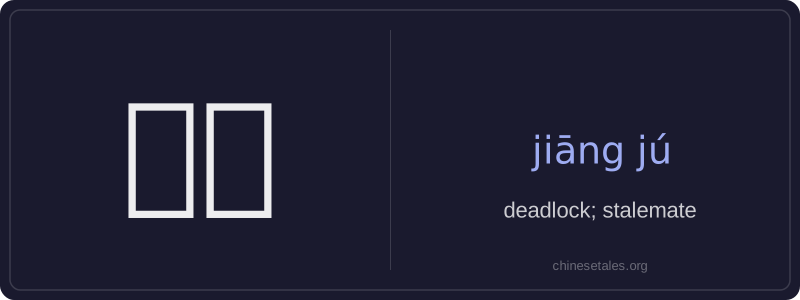
僵局 (jiāng jú) literally combines 僵 (jiāng), meaning 'stiff', 'rigid', or 'frozen' — often used to describe a lifeless or motionless state, like a stiff corpse or frozen limbs — and 局 (jú), meaning 'situation', 'scene', or 'game board'. Together, they evoke an image of a situation that has become rigid and immovable, like two opponents frozen in place with no way forward. This vivid metaphor reflects the word’s core meaning: a deadlock or stalemate where opposing sides are unable to make progress or reach agreement.
The term is widely used in political negotiations, business discussions, legal disputes, and even personal relationships. Though its etymology connects to physical stiffness (and historically relates to animal rigidity after death — hence the Animals topic), modern usage is almost entirely abstract and figurative. It carries a neutral-to-slightly-negative tone, implying frustration or impasse but not necessarily failure — resolution remains possible with renewed effort or mediation.
Example Sentences
Related Words
国语
‘Guó yǔ’ literally means 'national language'—
无论谁
‘无论谁’ (wú lùn shéi) is a pronoun meaning
外语
‘外语’ literally means ‘outside language’ —
不对
不对 (bù duì) literally combines 不 (bù), meani
我的
我的 (wǒ de) is a possessive pronoun meaning 'my'
违规
违规 (wéi guī) literally means 'to violate rules
亲笔
‘亲笔’ literally means ‘one’s own hand’—comb
面条
‘面条’ (miàn tiáo) literally means ‘flour str