Word Explanation
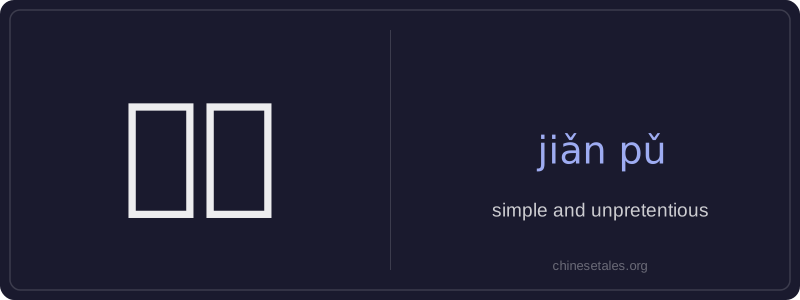
俭朴 (jiǎn pǔ) is an adjective describing a lifestyle or appearance that is simple, modest, and free from extravagance or pretension. The first character 俭 means 'frugal' or 'economical', emphasizing careful use of resources; the second character 朴 means 'plain', 'unadorned', or 'genuine', suggesting naturalness and lack of artifice. Together, they convey a harmonious ideal of humility and authenticity — not just saving money, but rejecting unnecessary display in dress, speech, home, or behavior.
This word is commonly used to describe people’s character, homes, clothing, meals, or ceremonies. It carries positive moral connotations in Chinese culture, often associated with traditional virtues like diligence, sincerity, and restraint. While similar to 'simple', 俭朴 implies conscious ethical choice rather than mere lack of options — it’s admired in elders, teachers, rural communities, or public figures who live without luxury despite having means.
Example Sentences
Related Words
国语
‘Guó yǔ’ literally means 'national language'—
无论谁
‘无论谁’ (wú lùn shéi) is a pronoun meaning
外语
‘外语’ literally means ‘outside language’ —
不对
不对 (bù duì) literally combines 不 (bù), meani
我的
我的 (wǒ de) is a possessive pronoun meaning 'my'
违规
违规 (wéi guī) literally means 'to violate rules
亲笔
‘亲笔’ literally means ‘one’s own hand’—comb
面条
‘面条’ (miàn tiáo) literally means ‘flour str