Word Explanation
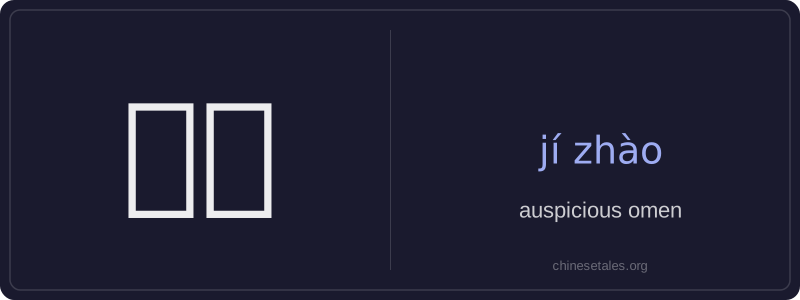
‘吉兆’ (jí zhào) literally means ‘auspicious omen’ — a sign believed to foretell good fortune or success. The first character 吉 (jí) means ‘lucky,’ ‘fortunate,’ or ‘auspicious,’ while 兆 (zhào) means ‘omen,’ ‘portent,’ or ‘sign.’ Together, they form a formal, literary noun used especially in traditional contexts like festivals, weddings, business openings, or divination practices. It often appears in written Chinese, classical texts, and ceremonial speech rather than casual daily conversation.
Historically, certain natural phenomena — such as cranes flying overhead, magpies calling near a home, or auspicious cloud patterns — were interpreted as 吉兆. In modern usage, it may refer more broadly to any positive indicator: a sudden breakthrough in negotiations, an unexpected endorsement, or even a baby’s first smile during a family gathering. Though poetic, the term carries cultural weight and is rarely used ironically or skeptically — it implies sincere hope and reverence for favorable destiny.
Example Sentences
Related Words
国语
‘Guó yǔ’ literally means 'national language'—
无论谁
‘无论谁’ (wú lùn shéi) is a pronoun meaning
外语
‘外语’ literally means ‘outside language’ —
不对
不对 (bù duì) literally combines 不 (bù), meani
我的
我的 (wǒ de) is a possessive pronoun meaning 'my'
违规
违规 (wéi guī) literally means 'to violate rules
亲笔
‘亲笔’ literally means ‘one’s own hand’—comb
面条
‘面条’ (miàn tiáo) literally means ‘flour str